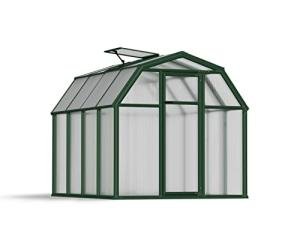
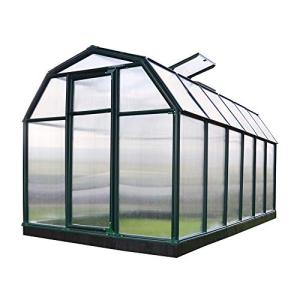
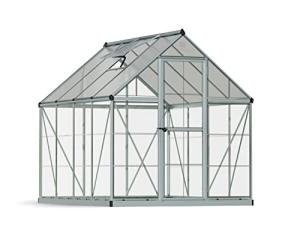
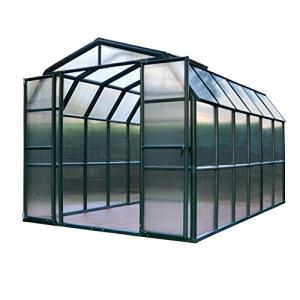
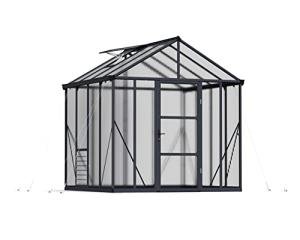
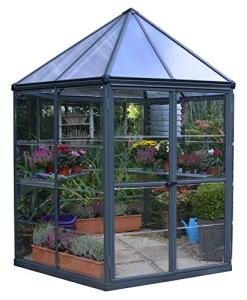
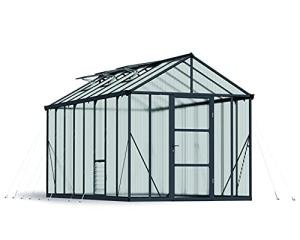
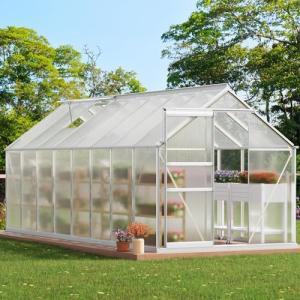
What Is Polycarbonate, and Why Does It Matter?
Polycarbonate is a thermoplastic polymer — a type of lightweight, rigid plastic engineered to handle impacts, temperature swings, and UV radiation. In a greenhouse context, it's formed into structured panels with hollow channels running lengthwise, giving the material its signature look and, more importantly, its impressive thermal properties.
Unlike glass, polycarbonate doesn't shatter. Drop a tool, let a branch fall, or catch a hailstorm that would leave a glass greenhouse in pieces — polycarbonate takes the hit and keeps going. It's roughly 200 times more impact-resistant than standard glass, which is not a minor detail when you're protecting seedlings in March and the weather is still deciding what season it is.
But the real magic is in those hollow channels. The air trapped inside acts as natural insulation, holding heat inside the structure far more effectively than a single pane of glass. That insulating effect is the core reason polycarbonate greenhouses extend your growing season so dramatically — warmth you capture during the day stays put at night, protecting tender plants from temperature drops that would otherwise kill them.
Panel Thickness: The Decision That Shapes Everything Else
When you're comparing polycarbonate greenhouses, panel thickness is one of the most important specs to understand. It directly affects how well the structure insulates, how much light gets through, and how the greenhouse holds up over time.
4mm Twin-Wall Panels
These are the entry-level option — lighter, more affordable, and perfectly adequate for mild climates or three-season growing. They let in plenty of light and are easy to cut and work with. If you're in a temperate zone and mainly want to get a jump on spring planting or extend autumn harvests, 4mm panels do the job reliably.
6mm Twin-Wall Panels
A significant step up in insulation without a dramatic increase in cost or weight. Six-millimetre panels are the most popular choice for hobbyist growers who want year-round capability in all but the coldest climates. The extra layer of air retention makes a noticeable difference on cold nights and pays off quickly in the plants you're able to overwinter.
8mm and 10mm Multi-Wall Panels
These move into multi-wall territory — three or more layers of polycarbonate with multiple air channels. The insulation values are impressive, making these panels suitable for cold climates, high-altitude locations, or anyone serious about growing through genuine winter. The trade-off is slightly reduced light transmission, though modern UV-stabilised panels have narrowed that gap considerably.
16mm Triple-Wall Panels
The premium end of the residential range. Sixteen-millimetre panels provide exceptional thermal retention and are used in climates where temperatures regularly drop well below freezing. If you're in a northern region and want to grow year-round without supplemental heating running constantly, this is the specification worth investing in.
Practical tip: Think about where you are and what you're growing. A 4mm greenhouse in a cold northern climate will struggle in December. A 16mm structure in a mild coastal area is probably more than you need. Match the panel to your climate, not just the lowest price on the page.
Frame Materials: Aluminium, Steel, and Timber
The panels get a lot of attention, but the frame is what holds everything together — literally. Most polycarbonate greenhouses use one of three frame materials, each with its own strengths.
Aluminium Frames
Aluminium is the dominant choice in the residential greenhouse market, and it's easy to understand why. It doesn't rust, it's lightweight enough to handle without a crew, it holds its shape over decades, and it requires almost no maintenance beyond an occasional wipe-down. Powder-coated aluminium adds a layer of protection and comes in a range of colours if aesthetics matter to you. Look for thick-gauge aluminium profiles — thinner section frames flex under load, and that eventually shows in your glazing seals.
Galvanised Steel Frames
Steel offers greater rigidity and load-bearing strength than aluminium at the same cross-section size. For larger structures, exposed or windy sites, or heavy snow-load regions, a galvanised steel frame is often the more sensible choice. It adds weight to the structure — which can actually be an advantage in exposed locations — but requires better surface protection to prevent rust over time. Quality galvanisation handles this well for many years.
Timber Frames
Timber greenhouses with polycarbonate glazing occupy a niche but loyal corner of the market. There's a warmth and visual appeal to a timber greenhouse that metal structures don't replicate. Hardwood frames — cedar and oak in particular — are naturally resistant to rot and can last generations when properly maintained. Timber also insulates better than metal at the frame itself, reducing cold bridging. The trade-off is higher maintenance: oiling or treating the wood every year or two, and checking joints where moisture can collect.
Sizes and Configurations
Polycarbonate greenhouses come in a range of sizes that genuinely suit everyone from a balcony gardener to a serious market grower. Understanding the typical configurations helps you think about what you'll actually use the space for.
Compact and Mini Greenhouses
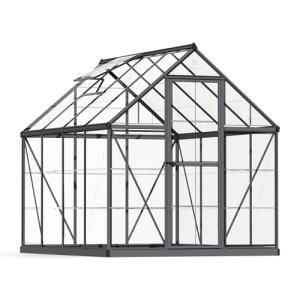
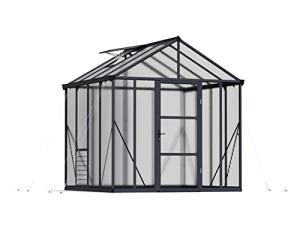
Structures from about 4ft × 6ft up to 6ft × 8ft are often the entry point for new greenhouse gardeners. They're manageable, affordable, and — importantly — quicker to heat. A compact greenhouse is ideal for starting seeds, overwintering a few containers of tender plants, or growing salad crops through the colder months. Don't underestimate them: many gardeners get tremendous productivity from a small, well-sited structure.
Mid-Range Family Greenhouses
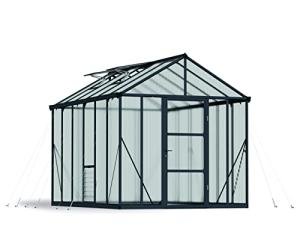
The 8ft × 10ft to 10ft × 12ft range is where most serious home gardeners land. There's enough space to work comfortably, run a bench along both sides, and still leave a central path. You can grow tomatoes vertically, dedicate sections to seedlings, and still have room for a potting area. This size strikes the balance between what a single person can maintain and what actually makes a meaningful contribution to a household's food growing.
Large and Commercial-Scale Structures
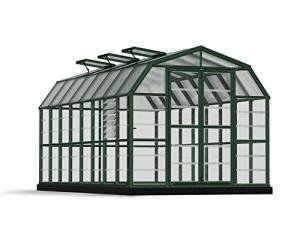
Anything from 12ft × 16ft upward moves into territory that suits dedicated growers, smallholders, or those supplying beyond the household. Larger greenhouses benefit enormously from professional base construction, proper ventilation planning, and often supplemental heating. At this scale, the efficiency of polycarbonate insulation pays dividends in heating bills over glass equivalents. Modular systems that allow expansion are worth the investment if your ambitions are likely to grow alongside your plants.
Ventilation, Doors, and Practical Details
A greenhouse that gets too hot kills plants just as surely as one that gets too cold. Ventilation is not an optional extra — it's a fundamental part of how a greenhouse works. Look for structures with roof vents that open wide, ideally on both sides of the ridge so you can manage airflow regardless of wind direction. Automatic vent openers, which respond to temperature with a wax-cylinder mechanism requiring no electricity, are one of the best-value additions you can make to any greenhouse.
Door width matters more than people expect. A standard single door is fine for a watering can, but try wheeling a barrow in and you'll quickly understand why a double door or a wide single door is worth specifying. Sliding doors work well for smaller greenhouses where a swinging door would take up valuable internal space.
Guttering and rainwater collection is an underrated feature. A decent-sized greenhouse roof collects a substantial volume of water, and connecting that to a barrel or tank means you're capturing free, unchlorinated irrigation water through every rainy period. Many greenhouse frames include gutter brackets as standard, but check before you buy.
Base and Foundation Options
What your greenhouse sits on matters enormously to its longevity and usability. A concrete base is the most permanent option and the most stable, but it commits you to a fixed location. Paving slabs on a prepared bed are a practical compromise — stable, relatively level, and possible to reposition in future. Many greenhouse manufacturers offer a steel base frame that sits directly on the ground, which suits softer soils and is simpler to install, though it benefits from a weed-suppressing membrane beneath.
Whatever base you choose, level really does mean level. A few millimetres of deviation from true horizontal becomes a few centimetres of gap at the eaves and a glazing bar that constantly tries to slide. Take the time to get this right at the start and the rest of the build follows easily.
UV Protection and Long-Term Performance
Polycarbonate panels should carry UV protection on the outer face — this is what prevents the material from yellowing and becoming brittle over time. Quality panels from reputable manufacturers carry a ten-year UV warranty as standard and will maintain high light transmission for much longer. Cheaper panels without proper UV stabilisation can begin to degrade within a few years, and replacing panels is both a cost and a significant inconvenience.
It's worth knowing that all polycarbonate panels will transmit slightly less light than clear glass — typically around 80–90% of incident light depending on panel thickness and colour. For most plants this is completely acceptable. Where very high light levels are critical, such as for certain orchids or tropical fruiting plants, this is worth factoring into your decision.
Choosing the Right Greenhouse for Your Needs
The best polycarbonate greenhouse is the one that matches your specific combination of climate, space, budget, and growing ambitions. If you're a first-time greenhouse gardener, resist the temptation to over-specify. A well-chosen mid-range structure in the right size will serve you for decades. If you're an experienced grower with clear requirements, invest in the panel thickness and frame quality your climate demands — the difference in usability over winter will justify every penny.
Think about where the greenhouse will sit. South-facing is ideal in the northern hemisphere, but even an east or west-facing site works well. Avoid the shade of buildings and large trees — not just for light, but because overhanging branches in a storm are a genuine hazard to even the toughest polycarbonate panels.
Growing under glass — or in this case, polycarbonate — changes your relationship with the seasons. The pleasure of picking ripe tomatoes in October, or having lettuce in January, or raising exotic plants that your climate would never normally support, is genuinely transformative. A polycarbonate greenhouse is one of the most rewarding investments a gardener can make, and once you've grown with one through a full year, it's hard to imagine your garden without it.