There comes a point in every gardener's journey where the limitations of open-air growing become painfully obvious. Late frosts wipe out early seedlings. Unpredictable hail shreds tender leaves overnight. The growing season feels brutally short, and the dream of year-round harvests stays just out of reach. That tipping point — the moment you stop fighting the weather and start controlling it — is exactly where a greenhouse enters the conversation.
But does it live up to the promise? Let's break this greenhouse down from every angle — materials, design, airflow, assembly, value, and how it stacks up against the competition.
Why 16 Feet Changes the Game
Most entry-level greenhouses hover around the 6x6 or 6x8 foot range. They work fine for starting seeds or sheltering a handful of container plants, but they fill up fast. Once you add shelving, a small potting bench, and a few flats of seedlings, you're shoulder-to-shoulder with your tomatoes.
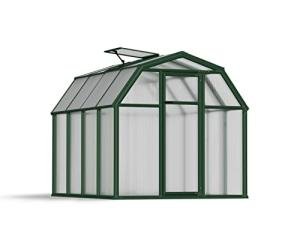
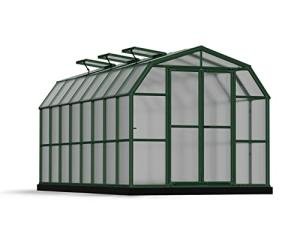
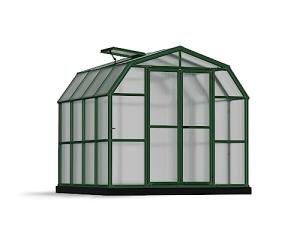
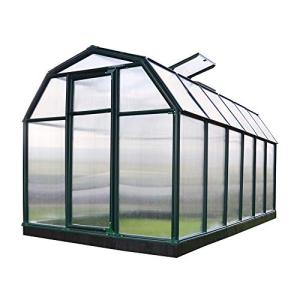
The YITAHOME 16x6 solves the space problem without demanding a wide footprint. Its elongated tunnel-like layout fits neatly along fence lines, beside garages, or at the edge of a property where a wider greenhouse simply wouldn't work. The 6-foot width keeps the structure narrow enough for most suburban backyards, while 16 feet of length opens up room for dedicated growing zones — warm-season crops toward one end, cooler greens toward the other, with propagation trays and overwintering plants wherever you see fit.
The walk-in design means you're not hunching or squeezing through a tight opening. The interior height is comfortable enough for most adults to stand and work without neck strain, and the sliding door at the front is wide enough to roll in a wheelbarrow or small garden cart.
For anyone who has outgrown a compact greenhouse but isn't ready to invest in a commercial-scale hoop house, this 96-square-foot layout hits a practical sweet spot.
The Frame: Reinforced Aluminum That Actually Holds Up
A greenhouse is only as good as what holds it together, and frame quality is where a lot of budget greenhouses fall apart — sometimes literally.
The YITAHOME 16x6 uses a reinforced aluminum alloy frame paired with a galvanized steel base. Aluminum is the preferred material for residential greenhouse construction because it resists rust and corrosion without the weight penalty of steel. Galvanized steel at the base adds heft where it matters most — at ground level, where moisture contact is highest and structural loads concentrate.
What sets this frame apart from some competitors in the same price range is the inclusion of reinforced rods along the sides and diagonal rod fixation. These cross-bracing elements increase the overall rigidity of the structure, helping it resist racking forces from wind. Diagonal bracing is a simple engineering detail, but it's the kind of thing that separates a greenhouse that wobbles in a stiff breeze from one that stays planted.
For gardeners in windy regions, the frame comes with pre-drilled holes for expansion screws and ground nails, which allow you to anchor the structure directly to a concrete pad, paver base, or compacted gravel. Mounting to a solid foundation isn't optional in exposed locations — it's essential, and YITAHOME has built the hardware requirements right into the base design.
Polycarbonate Panels: The Heart of the Growing Environment
The walls and roof of this greenhouse are made from 4mm twin-wall polycarbonate — and this is where the real growing advantage lives.
Twin-wall polycarbonate consists of two layers of rigid plastic separated by an internal rib structure that creates insulating air channels. This construction serves three critical purposes. First, it diffuses incoming sunlight, spreading it more evenly across plants and reducing the harsh hotspots and shadow lines that single-pane glass creates. Second, the air channels provide measurably better insulation than single-layer materials, helping the greenhouse retain heat during cool nights and cold shoulders of the season. Third, polycarbonate is dramatically more impact-resistant than glass — a stray baseball, a chunk of hail, or a fallen branch that would shatter a glass panel simply bounces off polycarbonate.
The panels on this YITAHOME model block an estimated 99% of harmful UV radiation while still transmitting enough photosynthetically active light for strong, healthy plant growth. That UV-filtering property also means the panels won't yellow or become brittle as quickly as untreated plastics, extending the usable life of the covering.
One practical tip worth noting: many experienced greenhouse owners apply a thin bead of silicone sealant along the panel-to-frame joints after assembly. While the panels fit into channels designed to hold them securely, sealant adds an extra layer of weather protection against wind-driven rain and improves overall thermal performance. It's a 30-minute job that pays dividends for years.
Ventilation: Two Adjustable Skylights and a Sliding Door
Heat management is arguably the biggest challenge of greenhouse gardening. Without adequate ventilation, a sealed polycarbonate greenhouse can overheat rapidly on sunny days — even in winter. Interior temperatures can climb 30 to 40 degrees above the outside air temperature in a matter of hours, turning a protective environment into a plant oven.
The YITAHOME 16x6 addresses this with two adjustable roof skylights and a sliding front door. The skylights offer multiple opening angles, allowing you to dial in ventilation from a narrow crack for gentle air exchange to a wide-open position for maximum heat dumping on scorching afternoons. Having two vents on a 16-foot structure provides better airflow distribution than a single vent — warm air rises and exits from the roof while cooler air is pulled in from the lower door opening, creating a natural convection cycle.
The sliding door is worth a specific callout. Unlike hinged doors that swing outward and can catch wind like a sail, the sliding mechanism stays flush with the wall. It opens and closes smoothly without requiring clearance space in front of the greenhouse — a genuine convenience when you're working with limited walkway space around the structure. The door also accommodates an aftermarket lock, which is a worthwhile addition if you're storing valuable tools or growing high-value crops.
For gardeners in hot climates or those pushing the greenhouse through peak summer, supplementing the built-in ventilation with a small solar-powered exhaust fan is a smart upgrade. The structure easily accommodates modifications like this.
Assembly: Straightforward With a Few Caveats
YITAHOME markets this greenhouse as "simple setup," and for the most part, that's a fair claim — with a caveat. The kit ships in two separate packages (which may arrive on different days), and all necessary hardware, panels, and instructions are included.
The assembly process is methodical rather than difficult. You're essentially building the galvanized steel base first, erecting the aluminum frame on top of it, sliding polycarbonate panels into their channels, and then attaching the door and roof vents. Most homeowners with basic tool experience can complete the build in a full day with a helper, or across a weekend working solo.
That said, instruction quality has historically been a sore point across YITAHOME's greenhouse line. While the company has been updating their manuals based on customer feedback, the documentation still relies heavily on diagrams rather than detailed written steps. If you're someone who prefers explicit text instructions, plan to supplement the included guide with common sense and perhaps a few online assembly videos from other YITAHOME greenhouse owners. The parts themselves are well-machined and fit together logically — the challenge is more about interpreting the manual than fighting with the hardware.
A level foundation makes the entire assembly process smoother. Whether you're working on a concrete slab, a timber frame filled with gravel, or a paver base, getting the ground flat and square before you start saves hours of frustration and produces a tighter, better-sealed final structure.
Year-Round Growing Potential
The real payoff of a greenhouse like this is measured in months — specifically, the extra months of growing season it unlocks.
In temperate climates, a 4mm twin-wall polycarbonate greenhouse without supplemental heating can typically extend the growing season by four to eight weeks on each end, depending on local conditions. That means starting warm-season crops like tomatoes, peppers, and cucumbers weeks earlier than outdoor planting allows, and harvesting well into autumn after the first frosts have shut down unprotected gardens. Cool-season greens — lettuce, spinach, kale, arugula — can often be grown through most of the winter in a polycarbonate greenhouse even in Zone 6 or 7, provided you use row covers or cold frames inside the structure for the coldest nights.
The 96-square-foot interior of the YITAHOME 16x6 supports a surprising amount of production. With vertical growing racks, hanging baskets, and efficient bench layouts, it's realistic to maintain 50 or more individual plant varieties simultaneously. Serious kitchen gardeners can produce a meaningful percentage of their household vegetables and herbs from a space like this.
For those willing to invest in a small electric or propane heater, the insulation properties of twin-wall polycarbonate make heating costs manageable. The air channels within the panels act as a thermal buffer, reducing heat loss compared to single-wall coverings. This means your heater cycles less frequently, consuming less energy while maintaining stable temperatures.
How It Compares: YITAHOME 16x6 vs. Popular Alternatives
Choosing a greenhouse in the mid-range price bracket means weighing options across several brands and designs. Here's how the YITAHOME 16x6 stacks up against some well-known alternatives:
| Feature | YITAHOME 16x6FT | Palram Canopia Mythos 6x8 | Outsunny 6x6 | VEVOR 14.6x6.4 Tunnel | Garvee 6x10 |
|---|---|---|---|---|---|
| Dimensions | 16 x 6 ft (96 sq ft) | 6 x 8 ft (48 sq ft) | 6 x 6 ft (36 sq ft) | 14.6 x 6.4 ft (~93 sq ft) | 6 x 10 ft (60 sq ft) |
| Frame Material | Aluminum alloy + galvanized steel base | Aluminum | Powder-coated aluminum | Galvanized steel | Aluminum |
| Panel Material | 4mm twin-wall polycarbonate | 4mm twin-wall polycarbonate | 4mm polycarbonate | PE cover (polyethylene) | 4mm polycarbonate |
| UV Protection | 99% UV block | 100% UV block | UV resistant | UV resistant | UV resistant |
| Door Type | Sliding door (lockable) | Hinged door with magnetic catch | Sliding door | Roll-up zipper door | Sliding door with lock |
| Roof Vents | 2 adjustable skylights | 1 adjustable vent | 1 roof vent | 8 roll-up windows | 1 roof vent |
| Cross Bracing | Yes — diagonal rod fixation | No | No | N/A | No |
| Foundation Type | Galvanized steel base with anchor points | Galvanized steel base | Galvanized steel base | Ground stakes | Aluminum base |
| Estimated Lifespan | 10–15 years | 10–15+ years | 8–12 years | 2–4 years (cover replacement) | 10–12 years |
| Best For | High-volume growing in narrow spaces | Small-to-mid gardens, beginners | Small backyards, starters | Budget large-area coverage | Mid-size growing |
| Assembly Difficulty | Moderate (half-day with helper) | Moderate (4–6 hours) | Moderate (3–4 hours) | Easy (1–2 hours) | Moderate (4–5 hours) |
Key Takeaways From the Comparison
The most obvious advantage of the YITAHOME 16x6 is sheer growing area. At 96 square feet, it nearly doubles the Garvee 6x10 and offers more than twice the space of the Outsunny 6x6 — while maintaining a narrow footprint that fits where wider structures can't.
The VEVOR tunnel greenhouse comes close in total square footage and wins on price and ease of setup, but the PE cover is a fundamentally different product. Polyethylene covers degrade under UV exposure and typically need replacement every two to four seasons. Polycarbonate panels last a decade or more with minimal maintenance. If you're planning to use your greenhouse for more than a couple of years, the YITAHOME's hard-panel construction is a significantly better long-term investment.
Against the Palram Canopia Mythos — arguably the most recognized name in hobby greenhouses — the YITAHOME offers more space and a comparable materials package at a competitive price point. Palram holds an edge in brand recognition, warranty support, and a slightly more polished assembly experience, but the 6x8 Mythos is simply a smaller structure built for different needs.
The dual-skylight ventilation system on the YITAHOME 16x6 is also a differentiator. Most comparably priced greenhouses in this size range offer a single roof vent, which can create uneven airflow in a longer structure. Two vents spread across 16 feet provides noticeably better temperature regulation.
Who Should Buy This Greenhouse
The YITAHOME 16x6 is not the right greenhouse for everyone, and being honest about that matters more than a blanket recommendation.
It's ideal for gardeners who have at least some experience growing in protected environments and want to scale up. If you've been using cold frames, low tunnels, or a smaller greenhouse and feel limited by space, the jump to 96 square feet is transformative. It's also excellent for anyone working with a long, narrow growing area — along a south-facing fence line, beside a garage, or in a side yard where width is constrained but length is available.
Kitchen gardeners growing vegetables for household consumption will find this greenhouse productive enough to make a real dent in grocery bills. Market gardeners doing small-scale seedling production will appreciate the bench space for flats and trays.
It's less suitable for first-time greenhouse owners who aren't sure they'll commit to the maintenance and monitoring a greenhouse requires. A 96-square-foot polycarbonate structure needs regular attention — daily ventilation checks during warm weather, occasional panel cleaning, seasonal inspections of seals and anchoring, and winter snow load management in heavy-snow regions. If you're looking for a low-maintenance season extender you can set and forget, a smaller or simpler structure might be a better starting point.
Practical Tips for Getting the Most Out of It
A few suggestions based on common greenhouse best practices and what works well with this particular structure:
Invest in a quality thermometer. A minimum-maximum thermometer inside the greenhouse lets you track temperature swings and adjust ventilation timing. Digital models with remote sensors that transmit to a display inside your house are inexpensive and invaluable.
Add thermal mass. Black-painted water barrels placed along the north wall of the greenhouse absorb heat during the day and release it slowly overnight. Even two or three 5-gallon buckets filled with water can moderate nighttime temperature drops by a few degrees — free supplemental heating from stored solar energy.
Plan your interior layout before planting. With 16 feet of length, you have room for zones. Group plants by temperature preference and watering needs. Place taller crops on the north side so they don't shade shorter plants. Reserve the area closest to the door for frequently accessed crops like herbs and salad greens.
Anchor it properly. This is non-negotiable. A greenhouse this size, even with polycarbonate panels and an aluminum frame, can catch significant wind load. Secure the galvanized steel base to a concrete pad, treated timber frame, or use the included expansion screws and ground nails driven into stable substrate.
Seal the panels. A bead of clear silicone along every panel-to-frame joint takes about an hour and dramatically improves weatherproofing and insulation. Many experienced greenhouse owners consider this step essential rather than optional.
Final Verdict
The YITAHOME 16x6FT Polycarbonate Greenhouse occupies an interesting position in the residential greenhouse market. It delivers commercial-scale growing area — nearly 100 square feet — in a package that still fits comfortably in a backyard setting. The reinforced aluminum frame with diagonal cross-bracing and a galvanized steel base gives it structural credibility that some competitors in the same price range lack. Twin-wall 4mm polycarbonate panels provide proven insulation, UV protection, and light diffusion. And the dual-skylight ventilation combined with a smooth-operating sliding door offers genuine climate control flexibility.
It's not perfect. The assembly instructions could be clearer, the two-package shipping introduces a waiting game, and like all polycarbonate greenhouses at this price point, you'll want to invest 30 minutes in silicone sealant to tighten up the weatherproofing. These are minor trade-offs in the context of what the structure delivers.
For gardeners ready to grow more food, start earlier, harvest later, and maintain plants through conditions that would devastate an open garden, the YITAHOME 16x6FT Polycarbonate Greenhouse is a compelling investment. It's big enough to be productive, tough enough to last, and designed thoughtfully enough to make daily greenhouse work genuinely enjoyable.
The growing season doesn't have to end when the calendar says it should. With the right structure around your plants, it just keeps going.