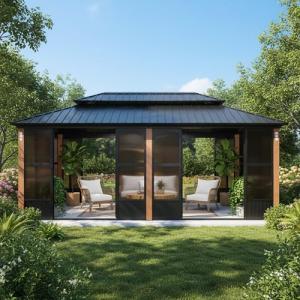
What Is a Garden Sunroom?
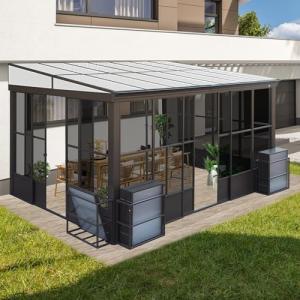
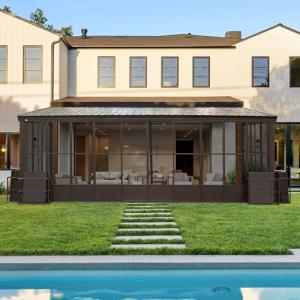
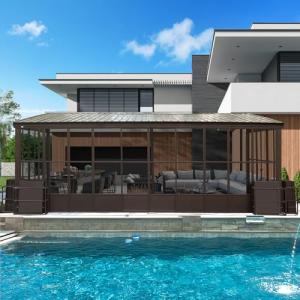
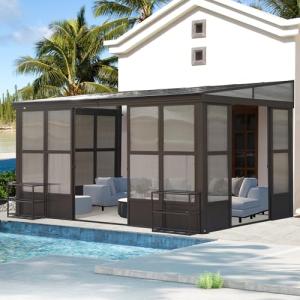
A garden sunroom is a glazed extension that connects your home to your outdoor space, designed primarily to maximise natural light and create a seamless visual flow between interior and exterior. Unlike a standard extension, the defining feature of a sunroom is its extensive use of glass — in the walls, the roof, or both — giving you a panoramic relationship with your garden throughout the seasons.
The term "sunroom" is often used interchangeably with "orangery" and "conservatory," but there are meaningful differences. A traditional conservatory typically has a predominantly glazed roof and walls, creating an airy, greenhouse-like atmosphere. An orangery leans more heavily on brickwork, with a flat or lantern roof and a greater sense of solidity — it feels more like a room that's been added to the house. A sunroom often sits somewhere between the two: more thermally capable than a conservatory, more open and light-filled than an orangery.
What unites all three is the ambition — to give you a living space that doesn't feel cut off from nature.
Why Homeowners Love Them
Ask anyone who has a garden sunroom how often they actually use it, and the answer almost always surprises people. These aren't occasional-use spaces. They become the heart of the home.
Part of the reason is psychological. Natural light has a profound effect on mood and wellbeing. A room flooded with daylight from multiple angles creates a feeling of openness and calm that's difficult to replicate in a standard interior. In the greyness of a northern winter, having a light-filled space where the garden is still visible — still present — makes a genuine difference to how a home feels to live in.
There's also the practical reality of space. A well-designed sunroom adds usable square footage that genuinely improves daily life. It might serve as a place where the family eats together, a quiet reading room, a home office, a garden-facing gym, or a dedicated entertaining area. Often it becomes all of these things at different times and for different people in the household.
And then there's the value. A quality garden sunroom is one of the most reliable ways to add resale value to a property. Buyers respond to them viscerally — they see the light, they see the garden, and they can immediately imagine themselves in the space. That emotional response has real monetary weight when it comes to offers and sales prices.
H2: The Main Styles of Garden Sunroom
Lean-To Sunrooms
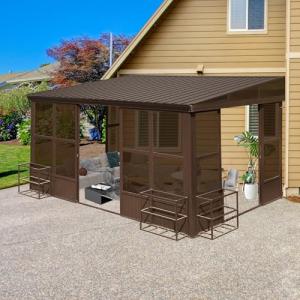
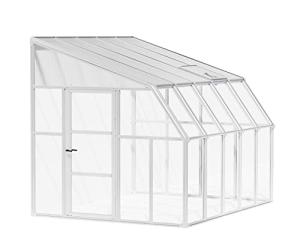
The lean-to is the simplest and most versatile sunroom configuration, and it remains one of the most popular for good reason. With a single pitched roof that slopes away from the house wall, it suits a wide variety of properties — particularly bungalows, terraced houses, and homes where planning constraints or space limitations apply.
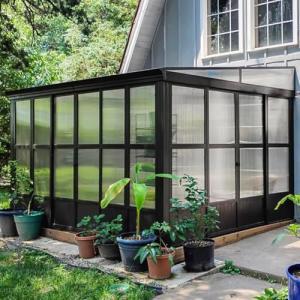
Don't let the simplicity fool you. A well-executed lean-to sunroom can be exceptionally elegant. Clean lines, floor-to-ceiling glazing, and a minimal frame profile create a contemporary aesthetic that works beautifully with modern homes. Add bi-fold or sliding doors and the transition between inside and outside becomes almost invisible when the weather allows.
Edwardian and Victorian Styles
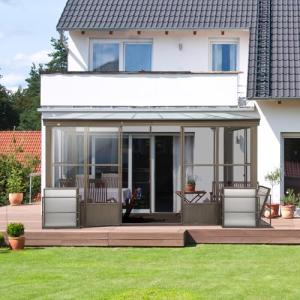
For period properties, matching the architectural character of the home is essential, and Edwardian and Victorian sunroom styles do this with grace. The Edwardian sunroom features a rectangular floor plan with a pitched roof — practical, spacious, and easy to furnish. The Victorian variant introduces the classic curved bay front with a faceted roof, adding a sense of grandeur and period authenticity.
Both styles are available with modern thermal glazing and insulated roofing systems, so you don't have to sacrifice comfort for character. The combination of heritage aesthetics and contemporary performance is genuinely the best of both worlds.
P-Shaped Sunrooms
When you want more than one room's worth of space — or when you need to accommodate both an entertaining area and a quieter sitting zone — a P-shaped sunroom delivers. This configuration combines a lean-to section with a Victorian or Edwardian projection, creating an L-shaped footprint that wraps around part of the house.
P-shaped sunrooms are particularly well suited to larger homes where the garden can accommodate the footprint, and where you want different areas of the space to feel distinct. A dining area in one section, a lounge in the other, both flooded with garden views.
Gable-Ended Sunrooms
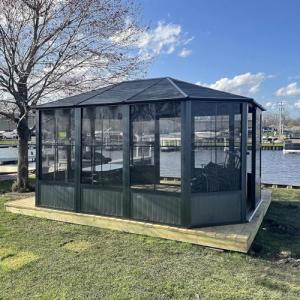
The gable-ended sunroom introduces a triangular glass panel at the front — the gable — which dramatically increases ceiling height and creates a feeling of real grandeur. Light floods in from a higher angle, illuminating the space differently across the course of the day, and the vertical emphasis makes the room feel larger than its footprint suggests.
This style works particularly well when the sunroom faces a beautiful view or a well-planted garden, because the generous glazing turns the garden into a living artwork that changes with every season and every shift in weather.
Contemporary Flat Roof Sunrooms
For modern homes and those seeking a sleeker architectural statement, flat roof sunrooms with roof lanterns or skylights offer a refined alternative to pitched designs. The clean, horizontal lines integrate naturally with contemporary architecture, and a centrally placed roof lantern floods the space with overhead light while maintaining the low-profile exterior appearance.
These designs often incorporate large-format sliding or bi-fold doors across the full garden-facing wall, creating the sensation of a space that simply opens up and merges with the outdoor environment.
Glazing and Thermal Performance: What to Look For
Modern garden sunrooms are built to be used year-round, and that's entirely dependent on the quality of the glazing and the thermal design of the structure.
The glass itself has come an enormous distance. Today's sunroom glazing uses advanced double or triple-glazed units with low-emissivity coatings that reflect heat back into the room during winter while limiting solar gain in summer. This means a properly glazed sunroom stays warm without excessive heating in January and comfortable without overheating in July — the two complaints that plagued older conservatories and that put so many people off the idea.
Look for units with a U-value of 1.0 or lower for glass panels. Thermally broken aluminium or uPVC frames make a significant contribution to overall performance — a thermally efficient frame prevents the cold bridging that leads to condensation and heat loss around the glazing edges.
Roof specification matters enormously too. A fully insulated solid roof or a high-performance glazed roof with appropriate solar control coating will define how comfortable the space is during extreme temperatures. If you plan to use the sunroom as a main living area, prioritise thermal performance at this stage — it's far harder and more expensive to retrofit later.
Flooring, Heating, and Interior Considerations
The structural shell of a sunroom is only the beginning. How you finish the interior determines whether it becomes a space you actually live in or a room that looks beautiful and gets used twice a year.
Flooring: The floor needs to handle the transition between an interior-quality space and one that gets a certain amount of foot traffic from the garden. Porcelain tiles are an excellent choice — they're durable, easy to clean, and available in large formats that create a seamless, contemporary look. Natural stone adds warmth and character. Engineered hardwood is another popular option for those who want the warmth of wood without the maintenance challenges.
Heating: Underfloor heating is the ideal companion to a garden sunroom. It warms the space from the ground up, keeps the floor comfortable underfoot even in bare feet on a December morning, and doesn't compete visually with the glazing the way radiators do. If underfloor heating isn't possible, slimline electric panel heaters or small fan heaters built into cabinetry are the next best options.
Blinds and Shading: Even with excellent solar control glass, there will be times — particularly during direct summer afternoon sun — when some additional shading is welcome. Integral blinds fitted within the glazing units are the most elegant solution, eliminating the need for external fittings and offering precise control without any cleaning challenges.
Furniture and Planting: The furniture you choose should be relaxed enough to feel appropriate for a garden-adjacent space without being so casual that it undercuts the room's quality. Rattan, natural fibres, linen upholstery, and solid wood all work beautifully. And never underestimate the impact of plants — a sunroom with generous greenery feels like a natural extension of the garden, blurring the boundary between inside and outside in exactly the way these spaces do at their best.
Planning Permission: What You Need to Know
Most garden sunrooms fall within permitted development rights, meaning you can build without applying for formal planning permission — provided your project meets certain criteria. As a general guide, the sunroom should not exceed 50% of the total area of land around the original house, must not be higher than the existing roofline, and should not be built forward of the principal elevation facing a highway.
These rules have nuances, and they vary for listed buildings, properties in conservation areas, and flats. Before committing to a design, it's always worth either consulting your local planning authority or asking your sunroom supplier to carry out a permitted development assessment on your behalf. Most reputable suppliers do this as a standard part of their sales process.
Building regulations approval is a separate matter and typically does apply to garden sunrooms — covering structural integrity, thermal performance, electrical installation, and drainage. Your installer should handle this on your behalf and provide you with a completion certificate when the work is finished.
Choosing the Right Supplier
The quality gap between sunroom suppliers is wide, and it matters. A sunroom is a significant structural addition to your home — one you'll live with for decades — and the difference between a well-engineered installation and a poor one becomes apparent surprisingly quickly.
Look for suppliers with a strong local portfolio, genuine references you can contact, and clear documentation of the guarantees they offer. Structural guarantees of 10 years or more, guarantees on glazed units against seal failure, and aftercare support are all markers of a supplier who stands behind their work.
Be cautious of unusually low quotes. Sunroom pricing is largely a function of material quality, glass specification, and installation skill. Significant undercutting usually means corners being cut somewhere — often in the glazing specification, the frame quality, or the installation methodology.
The best supplier isn't necessarily the largest or most advertised. It's the one who takes time to understand how you'll use the space, advises honestly on what design will serve you best, and has a track record of projects that hold up as well five years after installation as they did on the day they were completed.
A Room That Changes How You Live
A garden sunroom isn't an addition to your home. It becomes part of your home — often the part that defines the rhythm of daily life. Mornings in the light, evenings with a view of the garden, meals that feel unhurried because the space around you is calm and open. The connection to seasons that most modern homes cut off entirely — the first snowfall visible through the glass, the summer evenings that linger until ten o'clock, the autumn colours that play differently against the sky each day.
These are the things that make a garden sunroom worth building. Not the square footage. Not the resale value. Not the planning permissions. The way it changes how a home feels to live in, every single day.