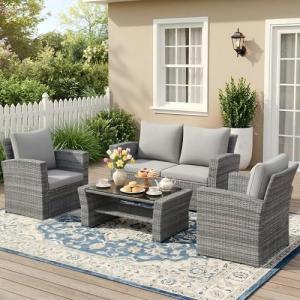
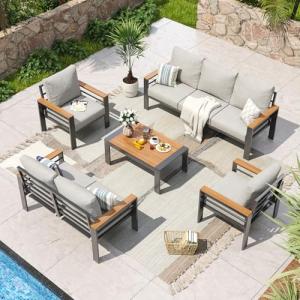
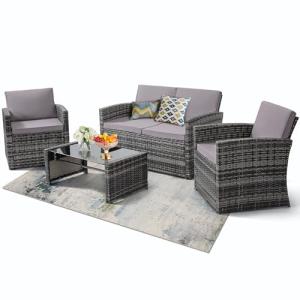
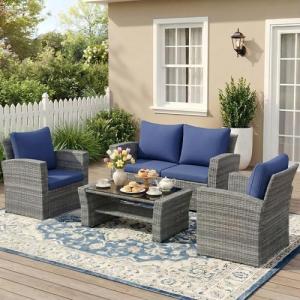
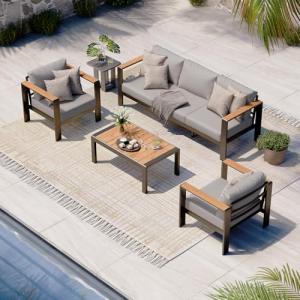
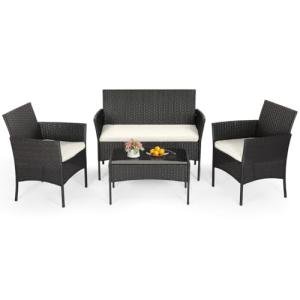
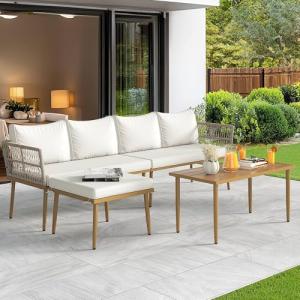
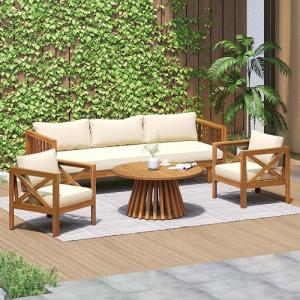
What Exactly Is an Outdoor Conversation Set?
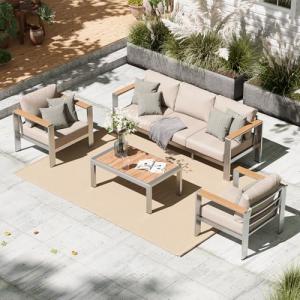
An outdoor conversation set is a coordinated grouping of weather-resistant furniture designed specifically for relaxed socializing outdoors. Unlike dining sets (which are built around a table and upright chairs for eating) or lounge chairs (which are solo pieces aimed at sunbathing), conversation sets are arranged to face each other, creating an intimate, living-room-style atmosphere outside.
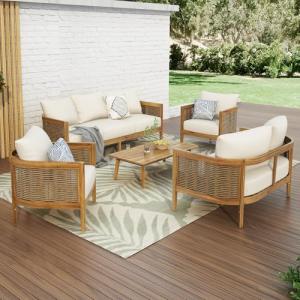
A typical set includes a loveseat or sofa, two to four armchairs or club chairs, a central coffee table or ottoman, and cushions — all designed to work together as a cohesive unit. The pieces are scaled and angled to encourage face-to-face interaction rather than side-by-side staring into space. That design intention matters more than you might think. It's the difference between a patio people drift toward and one they drift past.
The Different Types of Outdoor Conversation Sets
Not every outdoor conversation set is built the same way, and the right one for you depends on how you actually live outside.
Deep Seating Sets
Deep seating sets are the plush, sink-into-it option. The cushions are thick, the seats are wide, and the backs are reclined — essentially, they're outdoor sofas and chairs designed to feel as comfortable as your indoor furniture. These are the best choice if you want a true lounging experience, where guests kick off their shoes and settle in for a few hours. Deep seating sets work best on larger patios, decks, and poolside areas where there's room to spread out.
Sectional Conversation Sets
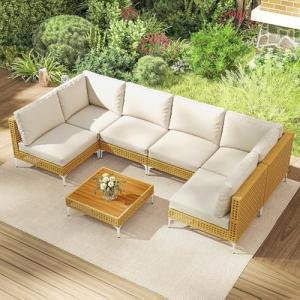
Sectionals are modular by nature, which means you can rearrange them to suit your space and your mood. A typical outdoor sectional might include corner pieces, armless chairs, and a chaise, all of which clip or simply sit together to form an L-shape, U-shape, or whatever configuration fits your layout. They're ideal for oddly shaped patios or for people who like flexibility — you can open the set up for a party or close it in for a cozy evening for two.
Bistro and Small-Space Conversation Sets
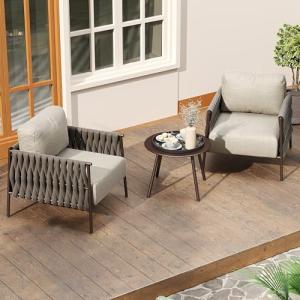
For balconies, small courtyards, or tight side yards, scaled-down conversation sets bring all the charm without overwhelming the space. A pair of chairs with a small side table between them, or a compact two-seater loveseat with a narrow coffee table, can create a full outdoor living experience even in tight quarters. The key is choosing pieces that are proportionate to your space rather than forcing oversized furniture into a small area.
Fire Pit Conversation Sets
Some sets are designed specifically to surround an outdoor fire feature. These typically include curved or angled seating arranged in a circle or semicircle, often with a central fire pit table. They're built for evenings — for the kind of long, slow conversations that happen when the light fades and the flames take over. If outdoor entertaining is a priority for you, a fire pit conversation set is one of the most atmospheric investments you can make in your backyard.
Materials Matter More Than You Think
The material a conversation set is made from determines not just how it looks but how long it lasts, how much maintenance it requires, and how it performs in your specific climate.
Aluminum
Aluminum is arguably the most popular choice for modern outdoor furniture, and for good reason. It's genuinely lightweight, completely rust-proof, and holds up well in both rain and intense sun. Powder-coated aluminum frames resist chipping and fading and can be cleaned with a damp cloth. The furniture won't corrode even in coastal, salt-air environments. If you want something you can move around easily, leave outside year-round, and essentially forget about — aluminum is hard to beat.
Wicker and Resin Wicker
The warm, textured look of wicker has never gone out of style, but traditional natural wicker was always a headache to maintain outdoors. Modern outdoor conversation sets use synthetic resin wicker instead — a material woven over aluminum or steel frames that mimics the look of natural rattan but resists moisture, UV rays, and temperature swings. It doesn't crack, splinter, or fade the way natural wicker does. It's also easy to clean. Resin wicker hits a sweet spot between style and practicality that very few materials match.
Teak Wood
Teak has a long, respected history in outdoor furniture because of its natural oil content. That oil makes it naturally resistant to water, insects, and rot — without any treatment needed. Left untreated, teak weathers to a beautiful silver-grey patina over time. Treated regularly with teak oil, it maintains its warm honey-brown color. Teak furniture is heavy, which means it stays put in wind, and it's built to last decades. It's an investment upfront, but the lifespan and beauty make it worth it for many buyers.
Steel
Powder-coated steel is strong and stable, making it a good choice for sets that need to withstand heavy use or high-wind environments. However, if the coating gets scratched, steel can rust — so it's worth inspecting pieces regularly and addressing any chips promptly. Steel furniture tends to be heavier than aluminum, which is a drawback for rearranging but an advantage for stability.
Polywood and HDPE
High-density polyethylene lumber — often sold under brand names like POLYWOOD — is a material made from recycled plastics that genuinely mimics the look of painted wood. It's impervious to moisture, won't rot, crack, splinter, or need sealing, and holds color well over time. It's an excellent choice for humid climates, lakeside properties, or anyone who wants the look of painted wood furniture with none of the upkeep.
Choosing the Right Size for Your Outdoor Space
One of the most common mistakes people make when buying outdoor furniture is choosing pieces that are either too large or too small for the space. Before you fall in love with a set, measure your patio or deck and leave yourself some room to breathe.
A good rule of thumb is to leave at least 18 inches between major furniture pieces so people can move around comfortably. Make sure there's enough clearance from doorways, grills, planters, and other features you use regularly. For deeper seating sets, account for the full depth of the seat plus any leg room in front — a deep sofa can easily extend four feet from wall to walkway.
If you're working with a small space, resist the temptation to downsize everything to the point of impracticality. Two comfortable chairs with a small table between them will serve you far better than trying to cram a five-piece set onto a 6x8 balcony.
Cushions, Fabrics, and Comfort
The cushions that come with an outdoor conversation set are just as important as the frames. Look for cushions filled with quick-dry foam — this is foam that allows water to pass through and evaporate rather than sitting and becoming a moldy sponge. High-density foam cushions hold their shape better over time and feel more comfortable under sustained use.
For the fabric, solution-dyed acrylic — commonly known by the brand name Sunbrella — is the gold standard. The color is baked into the fiber during manufacturing rather than applied to the surface, which means it resists fading dramatically better than other outdoor fabrics. It's also mold and mildew resistant and can be cleaned with a mild soap and water solution.
Pay attention to water repellency too. Some outdoor fabrics are simply woven tightly to resist splashes, while others have a chemical treatment applied. The best fabrics do both — they shed water quickly and dry fast, so your cushions aren't cold and damp every time it rains.
How to Care for Your Outdoor Conversation Set
Even the toughest outdoor furniture lasts longer with a little basic care.
Clean regularly. Dust, pollen, and bird droppings are mildly acidic and can degrade finishes over time. A quick rinse with the hose and a wipe-down with mild soap a few times a season keeps things fresh.
Store or cover cushions when not in use. Even the most weather-resistant cushions benefit from being stored in a dry area during extended periods of rain or when you're away for a few weeks. At minimum, outdoor furniture covers protect against UV damage and keep dirt at bay.
Protect frames over winter. In climates with harsh winters, either store furniture pieces indoors or in a garage, or use high-quality covers designed to breathe (to prevent condensation buildup underneath). Aluminum and resin wicker can typically stay outside year-round in moderate climates with no significant damage.
Check hardware annually. Bolts, screws, and connectors can loosen over time. A quick check at the start of each season keeps everything stable and safe.
Styling Your Outdoor Conversation Area
Once you have your set, the finishing touches make all the difference. Outdoor rugs help define the seating area and add warmth underfoot. Side tables create surfaces for drinks, books, and candles. String lights overhead turn a daytime patio into an atmospheric evening space almost effortlessly.
Outdoor throw pillows in coordinating colors add personality and extra comfort — just make sure they're made from outdoor-rated fabric so they don't become a maintenance headache. Potted plants around the perimeter soften the space and create a sense of enclosure that makes outdoor seating feel more intimate and intentional.
If privacy is a concern, lattice panels, outdoor curtains, or tall planters with ornamental grasses can create a sense of separation from neighbors without requiring a full privacy fence.
Why an Outdoor Conversation Set Is Worth the Investment
At its core, an outdoor conversation set is an investment in the way you spend your time at home. The research on this is consistent and intuitive: people are happier, less stressed, and more socially connected when they spend time outside. Having a comfortable, beautiful outdoor space that genuinely invites you to sit down and linger makes it far more likely that you'll actually use it.
A good outdoor conversation set doesn't just fill square footage — it creates a destination. It becomes the place where morning coffee happens, where summer dinners spill over after the table is cleared, where kids do their homework in the afternoon and friends show up unannounced on a Friday evening and nobody minds because there's actually somewhere comfortable to sit.
That's the real value of getting this right. Not the square footage, not the resale value — though both benefit. It's the quality of ordinary days spent outside, and the ease with which your home becomes a place where people want to be.