Shop our range of wooden storage sheds — built to last, easy to customise, and designed to complement any backyard. Find the perfect size and style for your garden tools, equipment, and more.
Shop our range of wooden storage sheds — built to last, easy to customise, and designed to complement any backyard. Find the perfect size and style for your garden tools, equipment, and more.
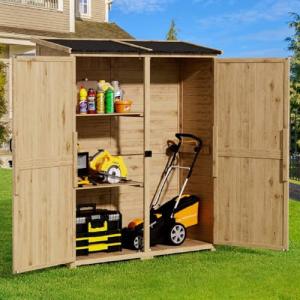
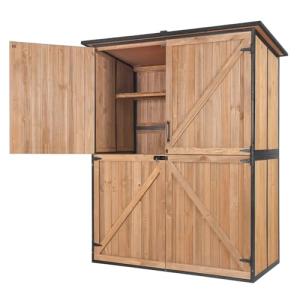
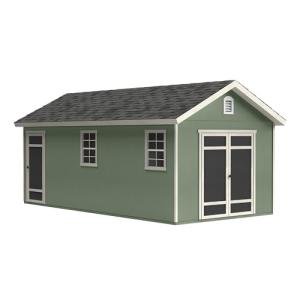
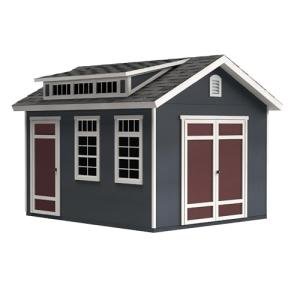
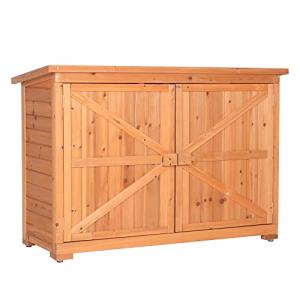
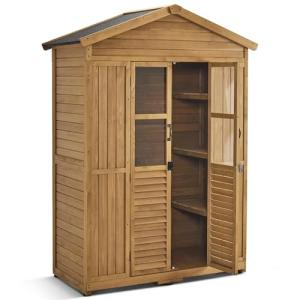
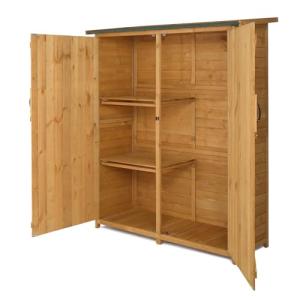
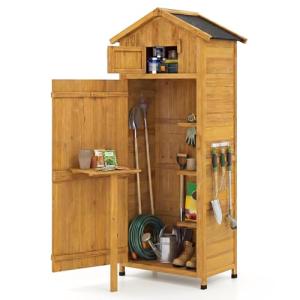
This is the first question most buyers ask, and it's a fair one. Plastic sheds are lighter and technically require less maintenance. Metal sheds are tough and fire-resistant. So why does wood continue to dominate the market for residential storage buildings?
The honest answer is: because wood is better in almost every way that matters to most homeowners.
Wood is strong. A well-constructed wooden shed — particularly one built with pressure-treated floor joists and quality framing lumber — can support enormous amounts of weight. You can install heavy shelving, hang tools from the walls, store a riding mower, or even convert it into a proper workshop space without worrying about structural integrity.
Wood insulates. Unlike metal, which turns your stored belongings into an oven in summer and a freezer in winter, wood naturally moderates temperature fluctuations. If you're storing anything sensitive — paint, fertilizers, power tools — wood is far kinder to those items than metal.
Wood is customizable. You can cut it, nail into it, paint it, stain it, add shelving, install electrical, frame a window wherever you want one. Try doing any of that with a prefabricated plastic shed. Wood gives you a building you can actually modify over time as your needs change.
Wood looks good. This one shouldn't be underestimated. Your backyard is an extension of your home. A cedar shed with a painted trim and a proper roof blends into the landscape. A beige plastic box does not.
Not all wooden sheds are built from the same material, and understanding the differences can save you from a purchase you'll regret in a few years.
Western red cedar is widely considered the gold standard for outdoor wood structures. It's naturally resistant to rot, insects, and moisture — not because of chemical treatment, but because of the wood's own oils. Cedar weathers to a beautiful silver-grey if left untreated, or it holds stain and paint exceptionally well. It's lighter than many other options, which makes for easier assembly, and it has a pleasant, warm appearance right out of the box. The downside is cost: cedar is one of the more expensive wood types, but the longevity tends to justify the investment.
Pressure-treated lumber is pine that's been infused with chemical preservatives under pressure, making it highly resistant to rot and insects. It's a common choice for shed floors and foundations because it can handle ground contact without deteriorating. Many budget-friendly wooden sheds use pressure-treated framing paired with untreated pine siding. This is a perfectly reasonable construction method as long as the siding is painted or stained to protect it from the elements.
Many entry-level wooden sheds use spruce or fir (often sold as SPF lumber — spruce-pine-fir). These are not inherently bad materials. They're strong, straight-grained, and take paint well. The key is that they need to be properly finished and maintained. Left bare, SPF lumber will deteriorate faster than cedar. Painted or stained? It can last decades.
Many shed manufacturers use T1-11 siding, a type of engineered wood panel that combines structural and aesthetic functions in a single product. It's effective, it looks clean, and when properly maintained it holds up well. T1-11 is particularly susceptible to moisture damage at the bottom edges, so proper grading, ventilation, and painting is essential.
Wooden storage sheds come in a wide range of architectural styles, and the one you choose affects both function and how the shed looks in your yard.
The classic gable roof — the one that looks like an upside-down V — is the most popular shed style for good reason. It sheds rain and snow effectively, provides excellent headroom inside, and looks natural next to most home styles. A gable shed with a higher pitch can also accommodate a loft, which dramatically increases usable storage space without increasing the footprint.
The gambrel roof has two slopes on each side rather than one, creating a barn-like profile. This design maximizes interior volume, especially overhead, making it the ideal choice if you want to install a proper storage loft. Barn-style sheds have become enormously popular for this reason — you get a lot more vertical space than a standard gable design of the same footprint.
A lean-to shed has a single-sloped roof that "leans" against an existing structure — often a fence, garage wall, or the back of a house. These are space-efficient, easy to build, and a smart solution when you need storage in a narrow side yard or against a property line. They're typically smaller than freestanding shed styles.
The saltbox is a variation on the gable design with a longer overhang on one side than the other. It gives you a covered outdoor area at the rear of the shed — useful for storing items that don't need to be fully enclosed, like firewood or garden hoses.
Getting the size right is one of the most important decisions you'll make, and most buyers make the same mistake: they go too small.
Here's a rough guide to help you think through the right dimensions:
6x8 or 8x8 — Entry-level sizes good for basic garden tool storage, bikes, and small outdoor equipment. Fine for a small yard or minimal storage needs.
10x10 or 10x12 — A significant step up that accommodates a riding mower alongside other equipment and still leaves room to move around. A good middle-ground option for most homeowners.
12x16 or larger — At this scale, a wooden shed becomes a genuinely versatile outbuilding. You can set up a proper workshop bench, store multiple large pieces of equipment, and still have organized wall storage for smaller items.
When in doubt, go one size larger than you think you need. Storage has a way of expanding to fill whatever space is available, and you'll be far more frustrated by a shed that's too small than one that's slightly larger than necessary.
Also check your local zoning regulations before purchasing. Many municipalities have rules about shed placement, maximum size, and whether a permit is required. A shed over a certain square footage may require a building permit in your area.
A solid floor is non-negotiable. Look for sheds that include pressure-treated floor joists, preferably raised off the ground to allow airflow beneath the structure. A raised floor prevents moisture from wicking up into the wood and dramatically extends the life of the shed. Flooring panels should be thick — at least 3/4 inch — and able to support the load you're planning to store.
The roof is your shed's first line of defense against weather. Proper roof sheathing covered with roofing felt and shingles is the right construction. Avoid any shed where the roof material seems thin or poorly attached. The roof overhang should extend past the walls by several inches to direct water away from the siding.
Think about what you'll actually be moving in and out of the shed. A standard double-door opening works fine for most tools, but if you're storing a lawnmower, snowblower, ATV, or other large equipment, you need a wide enough door to get those items in without a fight. Many manufacturers offer optional extra-wide doors — it's worth the upgrade if there's any chance you'll need it.
Sheds trap heat and moisture, which creates conditions for rot, rust, and mold. Look for sheds with roof vents, gable vents, or windows that can be opened. Good airflow is one of the cheapest and most effective ways to extend the life of both the shed and everything stored inside it.
Windows aren't just cosmetic. They reduce the need to run electrical lighting in the shed and make it significantly more pleasant to work inside. A shed with one or two windows on the right walls also improves airflow and makes the interior feel less claustrophobic.
Wooden sheds do require maintenance — that's the honest truth. But the work is minimal if you stay on top of it, and it's manageable for any homeowner.
Painting or staining is the most important task. Every few years, inspect the exterior finish. Peeling paint, bare wood, or discolored siding are signs it's time for a fresh coat. Use an exterior-grade paint or penetrating wood stain, and pay extra attention to the bottom edges of siding panels where water tends to sit.
Caulking the joints and gaps around trim, windows, and doors keeps water out. A tube of exterior caulk and an hour of time every few years is all this takes.
Inspect the roof annually for damaged or missing shingles, especially after severe storms.
Check the floor joists periodically if your shed has a crawl space beneath it. Any signs of rot or pest damage should be addressed before they spread.
A wooden shed that gets basic attention will last 20, 30, even 40 or more years. One that's neglected will deteriorate quickly. The difference between those two outcomes is a few hours of work per year.
One of the biggest advantages of a wooden shed is how easily it can be personalized and upgraded over time.
Interior shelving transforms raw storage space into organized, usable workspace. Wall-mounted shelving along the sides and back wall keeps the floor clear for equipment.
Electrical installation is straightforward in a wooden shed. Running a sub-panel from your home's main panel gives you lighting, power outlets for tools, and even heating if you want to use the space year-round.
Workbenches built into the interior convert a basic storage shed into a proper workshop. A continuous bench along one or two walls is more useful than a freestanding workbench for most DIYers.
Ramps for the door make moving heavy equipment in and out dramatically easier. Many manufacturers offer these as accessories.
Paint and trim let you match the shed to your home's exterior, turning it from a utility structure into a genuine design feature of your yard.
Browse our full selection of wooden storage sheds above to find the right fit for your yard, your budget, and your storage goals.