Shop our range of wooden pergolas — from pressure-treated pine kits to premium hardwood structures. Built to last, naturally beautiful, and perfect for any garden. Browse styles and sizes now.
Wooden Pergolas
Product List
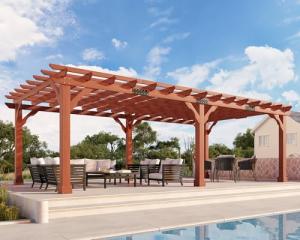
Jocisland 12x24 FT Premium Cedar Wood Pergola...
Product Review Score
4.9 out of 5 stars
16 reviews$1,199.99
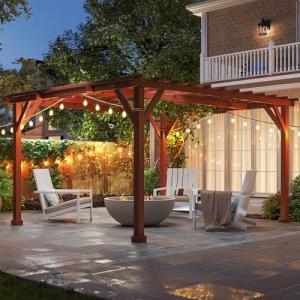
Outsunny 11' x 12.5' Outdoor Wood Pergola wit...
Product Review Score
4.98 out of 5 stars
18 reviews$524.99
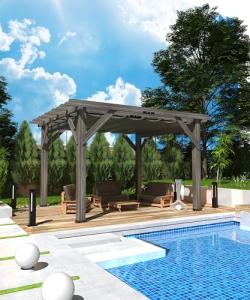
GAOMON 10 X 12 FT Wood Pergola, Solid Structu...
Product Review Score
4.94 out of 5 stars
55 reviews$839.99
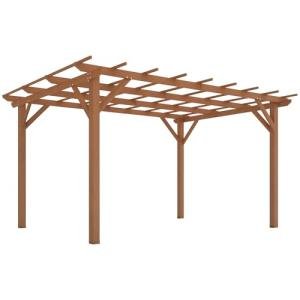
Outsunny 10' x 13' Outdoor Pergola, Wood Gaze...
Product Review Score
4.66 out of 5 stars
210 reviews$445.79
What Is a Wooden Pergola?
A pergola is an outdoor structure with vertical posts that support an open, latticed or beamed roof. Unlike a gazebo (which has a solid roof) or a patio cover (which is typically attached to the house), a pergola is freestanding or semi-attached and deliberately lets the sky in. The open framework creates a defined outdoor room without making it feel enclosed.
Wooden pergolas take this concept and add warmth, character, and a natural aesthetic that synthetic materials simply can't match. Wood has texture, grain, and a living quality — even after it's been milled and treated — that connects your outdoor space to the natural world around it.
They come in all shapes and sizes: a small pergola over a bistro table for two, a grand structure spanning an entire patio, an arched garden walkway dripping with climbing roses, or a sturdy poolside shade structure. The form follows the function, and there's a wooden pergola to suit almost every outdoor space.
The Different Types of Wooden Pergolas
Not all pergolas are designed the same way, and knowing the key types will help you figure out what suits your space best.
Freestanding pergolas are the most versatile option. They stand entirely on their own four (or more) posts and can be placed anywhere in your garden — on a lawn, over a gravel patio, beside a pond, or at the far end of the yard as a destination point. Because they don't attach to your house, they can be repositioned if your needs change, and they work equally well on flat ground or slightly uneven terrain with the right footings.
Attached pergolas (sometimes called lean-to pergolas) fix to the wall of your home or an outbuilding on one side, with the other side supported by posts. This creates a natural extension of your indoor living space and works really well when you want a shaded zone right outside the back door. They're popular for creating a covered dining or entertaining area that feels connected to the kitchen or living room.
Arch or tunnel pergolas are longer, narrower structures designed for walkways and garden paths. They create a dramatic sense of arrival — walk through a rose-covered wooden arch pergola and you'll understand exactly why garden designers love them. They're not just pretty, either; they're a smart way to use vertical garden space.
Corner pergolas are designed to tuck neatly into the angle where two walls or fences meet, making great use of dead corner space in smaller gardens.
Pergola kits are pre-designed, flat-pack versions of the above — often the best choice for DIY installation, since all the timber is pre-cut and pre-drilled and the instructions are included.
Wood Species: What's the Difference?
This is where the details really matter. The type of wood used in your pergola determines how long it lasts, how much maintenance it needs, and how it looks as it ages. Here's a breakdown of the most common options.
Pressure-treated pine is the entry-level standard. It's affordable, widely available, and treated to resist rot and insect damage. Structurally it's very sound, and it takes paint and stain well. The downside is that pressure-treated pine can look a little rough-and-ready compared to premium hardwoods, and it tends to warp or crack as it dries out after installation. It's an excellent budget option, particularly if you plan to paint it.
Cedar is where most people end up when they want the right balance of quality, appearance, and price. Western red cedar is naturally resistant to rot, decay, and insects — no chemical treatment required. It's lightweight, which makes it easier to work with, and it has a beautiful, fine grain and a warm, reddish tone that weathers gracefully to a silver-grey over time. Cedar pergolas are a genuine pleasure to be around.
Redwood shares many of cedar's qualities — natural rot resistance, attractive grain, and excellent stability — but it's denser and arguably even more beautiful. It's harder to source in some regions and commands a higher price, but a redwood pergola is a statement piece that will last decades.
Oak is the classic British hardwood choice. It's incredibly strong and dense, develops a wonderful silvery patina as it weathers, and has a chunky, traditional appearance that suits period-style gardens and rural properties particularly well. Green oak (freshly sawn, not dried) is commonly used because it's easier to work with — though it will crack and move slightly as it dries, which is considered part of its character rather than a flaw.
Teak is the gold standard of outdoor timber — extremely dense, naturally oily, and highly resistant to moisture and insects. It barely needs maintenance and ages to a beautiful grey if left untreated. Teak pergolas are expensive, but they're genuinely investment pieces that can outlast the house they sit beside.
Iroko and other tropical hardwoods offer similar durability to teak at a slightly lower price point. Always look for FSC-certified wood to ensure it's been responsibly sourced.
Why Choose a Wooden Pergola Over Other Materials?
Aluminium and vinyl pergolas have their place, but wood offers something different — and for many people, something better.
Aesthetic warmth. Wood is visually warm in a way that metal simply isn't. In a garden setting, surrounded by plants and natural materials, timber blends in and feels right. Aluminium can look sleek and modern, but it can also look cold and industrial, especially in a traditional garden context.
Customisability. Wood is easy to cut, drill, sand, stain, paint, and modify. Want to add extra beams? Hang string lights with hooks? Build a raised planter box along the side? Attach a privacy screen? All of this is straightforward with a wooden structure. You can also paint or stain it any colour you like — or change the colour five years down the line without any drama.
Repairability. If a beam gets damaged or starts to show its age, you can replace that one piece without rebuilding the whole structure. With some composite or aluminium pergolas, a damaged section may mean an expensive call to the manufacturer.
Environmental credentials. Timber from certified sustainable sources is a genuinely low-carbon building material. Trees absorb carbon as they grow, and that carbon stays locked in the wood for the life of the structure. If you care about the environmental impact of your purchasing decisions, FSC-certified wooden pergolas are a responsible choice.
Character over time. Wood ages. That's not a flaw — it's one of its best qualities. The silver-grey patina of weathered cedar, the deepening colour of a well-oiled teak beam, the texture that develops as the grain becomes more pronounced — these are things that make a wooden pergola feel more beautiful at ten years old than it did on the day it was installed.
Things to Think About Before You Buy
Size and scale. Measure your space carefully and think about how the pergola will relate to the surrounding features. A structure that's too small looks lost; one that's too large overwhelms the garden. As a general rule, a pergola should comfortably accommodate the furniture or activity it's meant to shelter, with a little breathing room around the edges.
Height. Standard pergolas are between 2.4m and 3m tall. Higher is usually better — it creates a more open, airy feel and allows climbing plants more room to establish. If you're tall or tend to hang things from the beams (lights, planters, a swing), err on the generous side.
Planning permission. In most cases, a garden pergola doesn't require planning permission — but there are exceptions, particularly for larger structures, properties in conservation areas, or listed buildings. It's always worth checking with your local authority before you start building.
Foundations and fixing. How the posts are anchored matters enormously for safety and longevity. Posts set directly into concrete are the most solid option. Post anchors (metal spikes or bolt-down plates) are easier to install and allow some adjustability, but the connection point is more vulnerable to moisture over time. For permanent structures, concrete is the way to go.
Maintenance expectations. Be honest with yourself about how much upkeep you're willing to do. Cedar and hardwoods are relatively low-maintenance — an annual clean and occasional oiling or staining. Painted pine needs more attention, as paint can peel and require reapplication every few years. If you want genuinely minimal maintenance, choose a premium naturally durable species.
Making the Most of Your Wooden Pergola
The structure itself is just the beginning. The best pergolas become the centre of the garden — the place where everything else is organised around.
Climbing plants transform a pergola from a structure into a living feature. Wisteria, roses, jasmine, clematis, and grapevines all look spectacular growing over timber beams. Give them at least a season to establish, and train them along the posts and beams with ties and hooks.
Lighting extends the usability of a pergola into the evening. String lights woven through the beams are the classic choice — warm, festive, and easy to install. Pendant lights on hooks create a more intimate, indoor-outdoor dining feel. Solar lanterns hung at different heights add atmosphere without the need for wiring.
Shade and privacy can be added with shade sails, outdoor curtains, bamboo blinds, or retractable canopies fixed between the beams. This gives you control over sun exposure and creates a more sheltered, private space when you want it.
Furniture should be chosen to suit the scale of the structure. A large pergola can handle a full dining table and chairs; a smaller one might be better suited to a pair of armchairs or a hammock. Keep the style consistent — natural materials like rattan, teak furniture, or painted wood tend to work well under a wooden frame.
A Structure Worth Investing In
A well-chosen wooden pergola isn't just a garden accessory. It's a genuine architectural feature that adds structure, character, and usable space to your outdoor environment. It creates a reason to spend more time outside, a focal point for the garden, and — if you choose quality materials and look after it — a feature that will still be standing and looking beautiful long after many other garden investments have come and gone.
Browse our full range of wooden pergolas below, from budget-friendly pressure-treated pine kits to premium hardwood bespoke structures. Whether you're outfitting a compact urban courtyard or a sprawling country garden, there's a pergola here that will do the job beautifully.