What Is a Portable Gazebo?
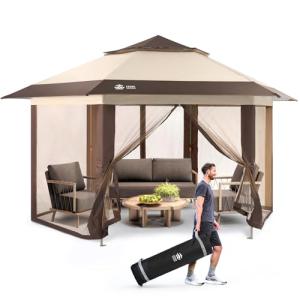
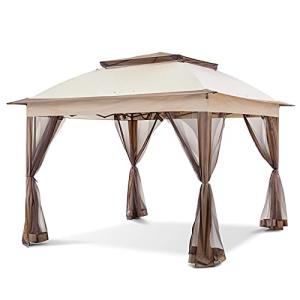
A portable gazebo is a freestanding, temporary shelter designed to be assembled and dismantled without tools, fixed foundations, or specialist knowledge. Unlike permanent garden structures, portable gazebos are built around the principle of flexibility — they go up quickly, come down just as fast, and pack away into a carry bag or wheeled case for easy transport and storage.
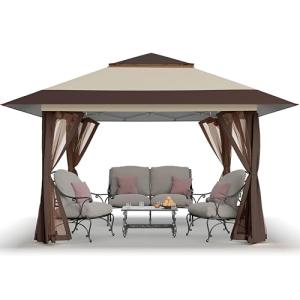
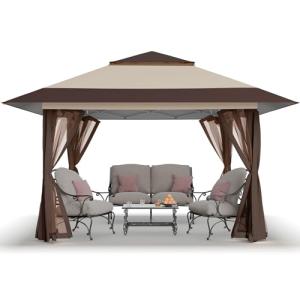
Most portable gazebos share a common anatomy: a metal or fibreglass frame, a fabric canopy, and some form of weighting or anchoring system to keep things stable. Beyond that, the variation is enormous. Some are designed to be ultra-lightweight for hiking and camping. Others are built with commercial durability for repeated professional use. Some fold away like an umbrella; others slot together like a puzzle. Understanding the differences is key to finding the right one.
Who Uses Portable Gazebos?
The honest answer is: almost everyone. Portable gazebos are one of those genuinely versatile products that serve a surprisingly wide range of people and purposes.
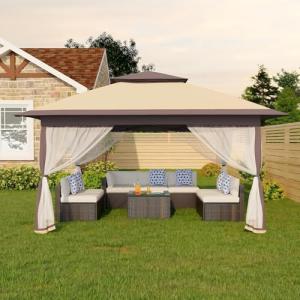
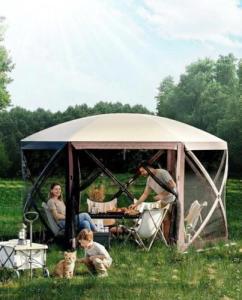
Garden entertainers use them to extend their outdoor season, creating shaded dining areas in summer and sheltered spots for autumn gatherings. A good gazebo essentially adds an extra room to your home during the warmer months — one with better views.
Market traders and small business owners rely on portable gazebos as their entire shop front. For craft fair vendors, food stall operators, and pop-up retailers, a well-branded gazebo is their most important piece of equipment. These users need something that goes up fast, looks professional, and holds up across hundreds of uses.
Event organisers use gazebos to create defined zones at festivals, fairs, and community events — information points, first aid stations, catering areas, photography booths. Modular systems that link together are especially popular here, allowing large covered areas to be created from individual units.
Sports clubs and outdoor fitness instructors use gazebos as portable dugouts, equipment stations, and rest areas. They need durability, speed of setup, and ideally something that can be branded with a club logo.
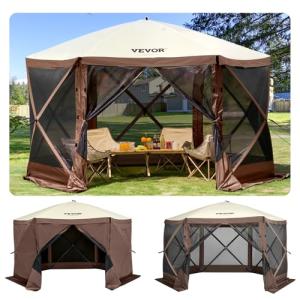
Campers and outdoor adventurers want lightweight, compact shelter for cooking areas and communal spaces at the campsite. Weight and pack size matter enormously here; a gazebo that saves space in the car makes a real difference on a long trip.
Families simply want somewhere to sit outside without being scorched by the sun or caught out by a passing shower. For households with young children, a shaded outdoor space isn't a luxury — it's a necessity.
Key Features to Look For
Shopping for a portable gazebo can feel overwhelming at first — there are dozens of options across a wide price range. Knowing which features actually matter will help you cut through the noise.
Frame Material and Construction
The frame is the backbone of any gazebo, and the material it's made from has a huge effect on performance, weight, and longevity.
Steel frames are the most common choice for garden and event use. They're strong, stable, and relatively affordable. The trade-off is weight — steel frames are heavier than alternatives, which matters less if you're setting up in one spot but more if you're transporting the gazebo frequently.
Aluminium frames offer an excellent balance of strength and low weight. They're rust-resistant, making them ideal for regular outdoor use and wet climates. Professional-grade aluminium gazebos are a favourite among market traders and event companies because they hold up to intensive use without corroding.
Fibreglass frames are the lightest option and the most flexible — they bend slightly under wind stress rather than snapping. These are popular in camping and hiking contexts where pack weight is a priority.
Pay attention to the quality of frame connectors and joint fittings. A gazebo can have a good frame but fail quickly at poorly made joints. Look for reinforced corner hubs and smooth-operating leg mechanisms.
Canopy Fabric and Weather Resistance
The canopy is what keeps you comfortable, so its quality is non-negotiable.
Polyester is the most widely used canopy material. Look for a high denier rating (the weight and thickness of the fabric) — a higher denier generally means a more durable, tear-resistant canopy. Most quality canopies are coated with a polyurethane or PVC layer to improve waterproofing.
PVC-coated canvas canopies are found on commercial-grade gazebos. They're heavier but extraordinarily durable and offer excellent waterproofing and UV protection. These are the right choice if you need a gazebo that will face heavy use across years.
UV protection rating matters more than many buyers realise. A canopy without adequate UV blocking will provide shade but won't protect against sunburn. Look for a UPF rating of 50+ if sun protection is a priority, especially for families with young children.
Waterproof vs. water-resistant is an important distinction. Truly waterproof canopies have sealed seams and proper coating; water-resistant ones will handle light rain but may leak in sustained downpours. If you're planning to use your gazebo in genuinely wet conditions, invest in waterproof.
Size and Footprint
Portable gazebos come in sizes ranging from compact 2x2 metre units up to large 6x3 metre commercial structures. The right size depends on how you plan to use it.
For a couple or a small family wanting a seating area, a 3x3 metre gazebo offers a comfortable footprint. For larger gatherings, a 3x4.5 or 3x6 metre unit provides enough space for a dining table, chairs, and serving area. Market traders typically work with 3x3 or 3x6 metres depending on their pitch allocation.
Consider ceiling height as well as floor area. A low gazebo can feel cramped, especially for taller adults. Most quality models offer an eave height of at least 2 metres and a peak height of 2.5 metres or above.
Ease of Assembly
One of the main selling points of portable gazebos is fast setup, but not all models are equal. The best designs allow a single person to assemble the frame in under ten minutes; more complex models may require two people and closer to thirty minutes.
Look for concertina or "instant" frames that expand in one movement rather than requiring individual legs to be inserted and locked. These designs genuinely save time, especially when setting up on your own. Check whether the canopy attaches easily and securely to the frame — flimsy velcro attachments are less satisfactory than well-designed leg sleeves and roof clips.
Anchoring and Stability
A gazebo that blows away or collapses in the wind is not just inconvenient — it's dangerous. All portable gazebos should come with some form of anchoring system.
Pegs and guy ropes are the standard solution for grass surfaces. They're simple and effective, provided the ground is firm enough to hold a peg.
Weight bags or sandbags attach to the gazebo legs and are the right solution for hard surfaces like paving, tarmac, or decking where pegs can't be used. These are a must for any gazebo being used at an event or on a hard standing.
Wall anchors and surface mounts are available for more permanent temporary installations — useful if you're setting up the same gazebo in the same spot regularly.
Be realistic about wind ratings. Manufacturers list these, but they assume the gazebo is properly anchored on all four legs. An unanchored or poorly weighted gazebo is vulnerable even in moderate conditions.
Accessories That Make the Difference
A good portable gazebo becomes a great one with the right accessories. These additions extend functionality, improve comfort, and make your shelter more versatile across different conditions and uses.
Side panels and walls transform an open-sided gazebo into an enclosed shelter, keeping out wind, rain, and insects. Most quality gazebo systems offer compatible side panels — some solid, some with windows, some with zippered doors. Having a full set of walls gives you the option to fully enclose the space when conditions demand it.
Guy rope kits provide additional stability in windy conditions by anchoring the frame from multiple points. Worth having if you're in an exposed location.
Weight bags are essential for use on hard surfaces. Look for bags that can be filled with sand or water, as this makes them practical to store and transport.
Flooring and matting adds comfort and definition to the covered area. Interlocking foam tiles or purpose-made groundsheets can turn the area beneath your gazebo into a proper room.
Lighting is often overlooked but transforms evening use. LED strip lights that clip to the frame or hang from the roof peak make a huge practical difference and add real atmosphere to outdoor entertaining.
Branded printing is available from most commercial suppliers if you're purchasing for business use. A full-colour printed canopy and side walls turn a gazebo into a powerful marketing tool at events and markets.
Caring for Your Portable Gazebo
A portable gazebo is an investment, and proper care will significantly extend its lifespan.
Always allow the canopy to dry fully before packing it away. Storing a damp canopy is the fastest way to develop mould, mildew, and fabric degradation. After use in rain or heavy dew, leave the canopy erected or spread it out until it's completely dry before folding.
Clean the canopy periodically with mild soapy water and a soft brush. Avoid harsh detergents or abrasive cleaners that can damage waterproof coatings. Rinse thoroughly.
Inspect the frame joints and connectors before each use. Tighten any loose fittings and check for signs of corrosion or cracking. Lubricate metal joints lightly with a silicone spray to keep mechanisms operating smoothly.
Store the complete gazebo in its carry bag or case in a dry location. Garages and sheds are fine provided they don't develop damp; avoid storing directly on concrete floors where moisture can wick into the fabric.
Finding the Right Portable Gazebo for You
The right portable gazebo is the one that fits your actual life — not the most expensive option and not the cheapest, but the one that matches how you'll use it, how often you'll move it, and what conditions it'll face.
If you're setting up a few times a year in a domestic garden, a mid-range steel or aluminium model with a quality waterproof canopy will serve you well for years. If you're running a market stall every weekend, invest in a commercial-grade aluminium frame with a PVC canopy and a full set of weighted legs — the upfront cost pays back quickly in durability and reduced replacements. If you're carrying your shelter into a campsite, prioritise low weight and compact pack size above everything else.
Whichever model you choose, a portable gazebo is one of those pieces of outdoor equipment that, once you own one, you wonder how you managed without it. It changes how you use outdoor space. It extends the seasons. It makes spontaneous outdoor living practical rather than aspirational.
And the best part? You can take it anywhere.