Why Garden Planters Matter More Than You Think
Most people treat planters as an afterthought. You buy the plant, you find a pot that's roughly the right size, and you call it a day. But planters do a lot more than just hold soil. They control drainage, regulate root temperature, influence how much water your plants retain, and — let's not underestimate this — shape the entire visual personality of your garden.
The right planter can make a modest plant look magnificent. The wrong one can stunt growth, cause root rot, or simply look out of place in an otherwise lovely garden. A little thought upfront goes a long way.
Planters also give you something a traditional garden bed can't: flexibility. You can move them around, group them for impact, bring tender plants indoors before the first frost, and completely reinvent your outdoor space from one season to the next without ever touching a spade.
Materials: What Are Garden Planters Made From?
This is probably the most important decision you'll make when shopping for planters, because material affects everything — weight, durability, drainage, insulation, and aesthetics.
Terracotta and Clay
The classic choice, and for good reason. Terracotta pots are breathable, which means air and moisture can pass through the walls. This is great for plants that hate soggy roots — succulents, lavender, and herbs all thrive in terracotta. The warm, earthy tones work beautifully in traditional, Mediterranean, and cottage-style gardens.
The trade-off is weight and fragility. Terracotta is heavy, and it will crack if left outside in hard frosts. If you live somewhere with cold winters, either bring them in or invest in frost-proof versions, which are fired at a higher temperature and far more resilient.
Ceramic and Glazed Pots
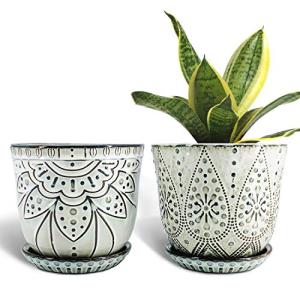
Glazed ceramic planters take all the natural charm of clay and give it a polished upgrade. The glaze seals the walls, which means they retain moisture better than unglazed terracotta — useful if you're forgetful about watering. They come in an enormous range of colours and finishes, from deep cobalt blues to earthy matte greens, making them a popular choice for anyone who wants their planters to be as decorative as the plants inside them.
Like terracotta, they can be heavy and prone to frost damage unless specifically rated for outdoor winter use.
Fibreglass and Resin
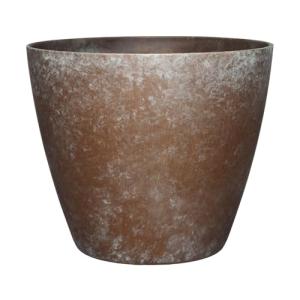
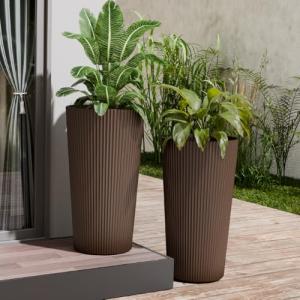
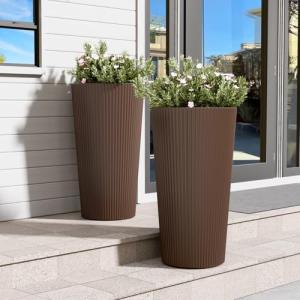
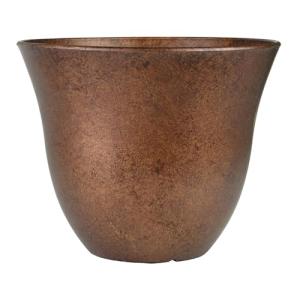
If you want the look of stone, concrete, or even glazed ceramic without the weight, fibreglass and resin planters are the answer. They're lightweight, durable, and manufactured in an incredible range of styles — you can get a convincingly weathered stone urn or a sleek, contemporary cube in fibreglass at a fraction of the weight.
These are particularly popular for large statement planters on decks and balconies where weight is a real concern, and for anyone who likes to rearrange their outdoor space regularly.
Wooden Planters
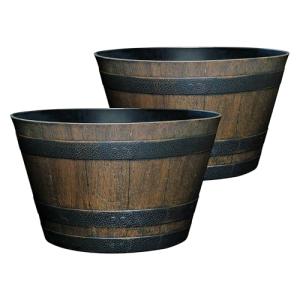
Wood brings warmth and a natural, handcrafted quality that no synthetic material can quite replicate. Cedar, hardwood, and pressure-treated timber are all popular choices because they resist rot well. Wooden planters are ideal for raised bed gardening, large vegetable plots, and rustic or country-style gardens.
Over time, wood will weather and grey naturally, which many gardeners love. If you prefer to keep it looking fresh, a coat of exterior wood stain or paint every couple of years will do the trick.
Metal Planters
Zinc, galvanised steel, and powder-coated metal planters have had a major moment in garden design over the last decade, and it's easy to see why. They're incredibly hardwearing, often lightweight, and bring a cool industrial edge to modern outdoor spaces. Galvanised steel troughs look fantastic in kitchen garden settings, while sleek powder-coated planters suit minimalist terraces and contemporary urban gardens.
One thing to be aware of: metal heats up quickly in direct sun, which can stress plant roots. Lining the interior or placing them in partial shade will help.
Plastic and Lightweight Composites
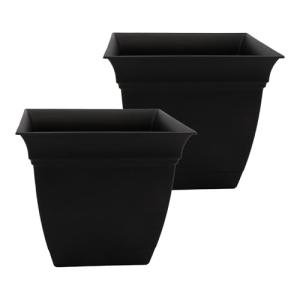
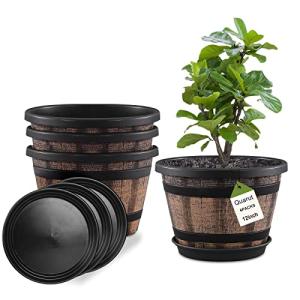
Plastic gets a bad reputation, but modern high-quality plastic planters are far removed from the flimsy pots of old. UV-stabilised, frost-proof, and often designed to convincingly mimic stone or terracotta, they're practical, affordable, and incredibly lightweight. For balconies, for people who move house frequently, or for large planting schemes where budget matters, plastic planters make a lot of sense.
Choosing the Right Size
Size matters enormously in container gardening. Too small and your plants become pot-bound, struggling for nutrients and water. Too large and the soil stays wet for too long, risking root rot.
As a general guide: small pots (under 20cm) work well for herbs, succulents, and compact annuals. Medium pots (20–40cm) suit most bedding plants, perennials, and small shrubs. Large planters (40cm and above) are what you need for statement plants, ornamental grasses, small trees, and productive crops like tomatoes, courgettes, or even dwarf fruit trees.
For vegetables and fruit in particular, depth matters as much as width. Root crops like carrots and potatoes need deep planters — at least 40–50cm — to develop properly. Tomatoes and peppers will thank you for a generous pot that won't dry out too quickly on a hot day.
Drainage: Don't Skip This Step
Every planter you use for outdoor growing needs drainage holes. Without them, water pools at the bottom, roots suffocate, and plants decline rapidly. It sounds obvious, but decorative planters are sometimes sold without drainage, intended purely as pot covers for an inner planted container.
If you fall in love with a planter that has no drainage holes, use it as an outer sleeve and place a smaller, drilled pot inside. This gives you the aesthetic you want without compromising the health of your plants.
Adding a layer of crocks, gravel, or broken terracotta at the bottom of any planter helps prevent the drainage holes from becoming clogged with compost, keeping water flowing freely.
Self-Watering Planters: A Game Changer for Busy Gardeners
If you travel regularly, work long hours, or simply struggle to keep on top of watering, self-watering planters are worth every penny. They feature a built-in reservoir at the base that allows plants to draw up moisture as they need it, keeping the soil consistently damp without waterlogging.
They're particularly effective for edibles — herbs, salad leaves, tomatoes, and strawberries all respond brilliantly to this kind of consistent moisture. On a sun-baked balcony or terrace in summer, a self-watering planter can be the difference between a thriving crop and a shrivelled one.
Style and Aesthetics: Making Your Garden Look Intentional
The most beautifully planted pot can look underwhelming in the wrong container, and a striking planter can elevate even a simple planting. Thinking about the visual relationship between your planters and your overall garden style is worth a little time.
In traditional and cottage gardens, aged terracotta, weathered stone, and decorative urns feel completely at home. Classic proportions — tall pedestal planters, low wide bowls, flared-rim pots — work well here.
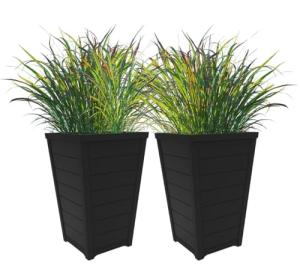
Modern and minimalist gardens lean towards clean lines, geometric forms, and neutral palettes. Rectangular fibreglass troughs, cylindrical concrete-effect pots, and matte black or white ceramic planters all suit this aesthetic.
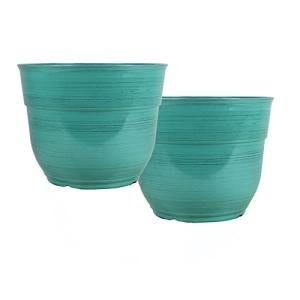
Mediterranean and Moroccan-inspired spaces love colour. Rich glazed blue and green pots, hand-painted ceramics, and ornate terracotta all bring that warm, sun-soaked atmosphere to life.
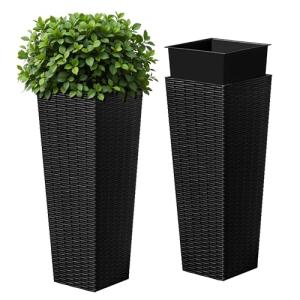
Rustic and country gardens look wonderful with timber raised beds, galvanised metal troughs, and large wicker or woven planters.
Don't be afraid to mix materials and scales — a large statement planter surrounded by smaller ones at different heights creates visual depth and interest. Odd numbers tend to group more naturally than even ones.
What Can You Grow in Garden Planters?
The honest answer: almost anything, with the right planter and care.
Herbs are the classic container choice — basil, rosemary, thyme, mint, and chives all do brilliantly in pots, and having them just outside the kitchen door is endlessly practical. Mint is actually better in a pot, since it will take over a garden bed if given half a chance.
Flowers thrive in planters too. Seasonal bedding like geraniums, petunias, and fuchsias give you months of colour. Perennials like lavender, agapanthus, and ornamental grasses can live in large pots for years with minimal fuss.
Vegetables and fruit are increasingly popular in containers. Tomatoes, peppers, aubergines, courgettes, salad leaves, spring onions, radishes, and strawberries all crop well in pots. Blueberries actually prefer container growing because you can tailor the soil to be acidic, which they love. Dwarf apple and pear trees, citrus trees, and fig trees can all be grown in large planters with the right care.
Even small trees and large shrubs can be grown in planters for many years — Japanese acers, bay trees, olive trees, and topiary box balls are all commonly seen in large decorative pots, giving height and permanent structure to an outdoor space.
Caring for Your Planters
A planter is only as good as the care that goes into it. A few habits make a big difference.
Use good quality potting compost, not garden soil, which compacts in containers and drains poorly. Top-dress your pots with fresh compost each spring and feed regularly during the growing season — container plants are entirely dependent on what you give them.
Check drainage holes haven't become blocked. Water planters thoroughly rather than little and often — a good soak that runs through the drainage holes is far better than a light splash every day.
Protect vulnerable planters from frost. Wrap terracotta in hessian or bubble wrap, or bring indoors. Even frost-proof materials benefit from having their feet lifted off cold ground using pot feet or bricks, which improves drainage and reduces the risk of freezing from below.
Finding the Right Planter for You
There are planters here for every garden, every budget, and every level of growing experience. Whether you're looking for a single beautiful statement urn for a front door, a set of matching planters to line a terrace, a practical vegetable-growing setup for a small back garden, or a self-watering system that keeps your herbs alive while you're on holiday — you'll find it here.
Browse by material, size, style, or purpose. Read the specifications carefully — particularly dimensions and drainage details — and don't hesitate to think about the planter and the plant together before you buy. The best container gardens are the ones where everything works in harmony: the right pot, the right plant, the right spot.
Your garden is an extension of your home. Make it one you want to spend time in.