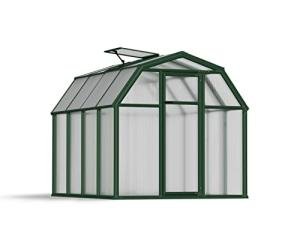
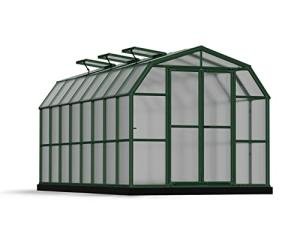
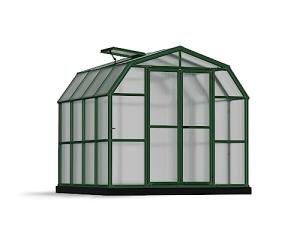
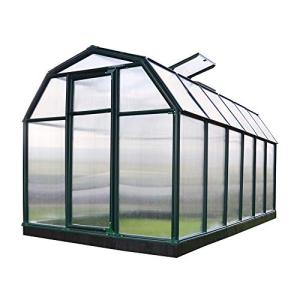
There's a particular kind of gardening frustration that every serious home grower knows — the one that arrives in late February, when the seed catalogues are dog-eared and the grow lights are humming, but outside it's still too cold to do anything meaningful. A proper greenhouse doesn't just solve that problem. It reframes the entire gardening year, stretching the growing season at both ends and giving your plants a fighting chance against weather, pests, and the general chaos of the outdoors.
The Palram Canopia Hybrid 6×8 has become one of the most recommended entry-level greenhouses on the market, and after digging deep into its specifications, real-world user reports, and how it stacks up against competitors, it's easy to see why. It was chosen by Better Homes and Gardens as the Best Overall Greenhouse Kit of 2024, which is a notable accolade in a category full of cheap imitations and unreliable budget builds. This is not one of those.
What Makes the Hybrid "Hybrid"?
The name isn't marketing fluff. It refers to something genuinely clever in the engineering: the Hybrid uses 4mm twin-wall polycarbonate roof panels that block up to 99.9% of UV rays, diffusing sunlight to protect plants and disperse light evenly, while the side walls use crystal-clear single-layer polycarbonate panels that transmit 90% of available light.
Most budget greenhouses force you to make a tradeoff — either your plants get maximum light transmission (and risk scorching from direct overhead sun), or they get full UV protection (at the cost of brightness). The Hybrid resolves this tension by applying each panel type where it makes the most sense. The roof acts as a shield. The walls act as windows. The result is an interior environment that feels genuinely thought through rather than simply assembled.
The twin-wall roof panels diffuse harmful UV rays while adding insulation to the greenhouse, and the slide-in glazing system provides wind protection to help prevent glazing from jumping out in breezy conditions. That last point matters more than it might seem — anyone who has owned a cheaper greenhouse will have experienced the uniquely maddening experience of chasing polycarbonate panels across their yard on a windy afternoon.
Build Quality That Actually Holds Up
The polycarbonate panels have held up well with no cracking or discoloring after years of use, and the frame is painted aluminum, making rust a non-issue. The base is galvanized steel for structural support.
Let's take these components individually, because the details matter.
The Aluminum Frame
The aluminum frame is durable, maintenance-free, and rust-resistant, allowing gardeners to focus on growing instead of maintaining their greenhouse. Powder-coated aluminum in the silver finish has a clean, modern look that doesn't clash with a typical backyard aesthetic. Unlike wooden frame greenhouses — which can rot, warp, and require annual treatment — this frame essentially takes care of itself.
The Galvanized Steel Base
The galvanized steel base includes designated pre-drilled holes for anchoring (anchors not included) for additional stability. The base serves a dual purpose: it gives the structure a rigid foundation and provides clear anchor points so you can secure the whole thing to the ground. This is not optional in practice. The rust-resistant aluminum frame and galvanized steel base can withstand winds of up to 56mph and 15.4 pounds of snow per square foot when the anchoring kit is used. Without proper anchoring, those wind resistance figures drop dramatically.
The Polycarbonate Panels
These deserve special mention. Polycarbonate has a reputation problem among first-time buyers who assume it will feel cheap or flimsy compared to glass. The reality is that polycarbonate panels are designed to withstand extreme weather conditions due to their strength and flexibility — they do not shatter and are safer than glass. Glass greenhouses look beautiful in photographs; they also shatter spectacularly in hailstorms. Polycarbonate does neither.
The Feature Set: More Than You'd Expect at This Price
The Palram Canopia Hybrid 6×8 doesn't ask you to add things up from a barebones frame. It arrives with a notably complete set of practical features that most buyers would otherwise need to source separately.
Adjustable Roof Vent
Ventilation is the unglamorous hero of greenhouse growing. Excess heat builds up fast in an enclosed space, and without airflow, you'll cook your seedlings on any clear day in spring or summer. The roof vent keeps air flowing, helping you control temperature and humidity in your greenhouse. The vent is manually adjustable, which gives you direct control. Those who want automation can purchase the compatible Palram Automatic Roof Vent Opener as an accessory — it opens and closes based on interior temperature, which is particularly useful if you're away from home during the day.
Rain Gutters and Downspout
This is one of those features that sounds like a bonus but quickly becomes indispensable. The integrated rain gutters and downspout disperse rainwater to the ends, making it ideal for water-conscious gardeners to collect. With a simple collection barrel placed at the downspout, you effectively turn every rainstorm into a free watering session. Given the increasing scrutiny around water usage in many regions, this isn't just convenient — it's responsible.
Lockable Door with Magnetic Catch
A magnetic door catch is included to keep the greenhouse door open for ventilation, or you can use the lockable door handle to keep the door securely closed. This dual-functionality is genuinely useful. On warm days, you prop the door open with the magnetic catch for passive ventilation. On cold nights or when you want to keep pests out, you lock it shut. The door can also be assembled as either a right or left-hand door to suit the gardener's preferences, which is a small but thoughtful touch.
Dimensions and Usable Space
The dimensions are 98.4 inches long by 72.8 inches wide by 82.2 inches high at the peak, with a sidewall height of 48.8 inches and a door opening of 22.2 inches wide by 64.2 inches tall. The peak height of over 6.8 feet means most adults can stand upright inside without stooping, which matters for anyone who plans to spend real time in there potting, watering, and tending. The 48-square-foot footprint (6×8) is genuinely workable — enough for several growing shelves, a small workbench, and room to move around.
Assembly: What to Actually Expect
The marketing language around greenhouse assembly tends toward the optimistic. Let's be more candid.
The Canopia greenhouse kit is best assembled by a team of two or more people, though it's certainly possible for an experienced handyman to tackle the project alone. Depending on the skill level of the assembler and the size of the greenhouse, assembly takes approximately 4–8 hours. Some customers have reported longer installation times of up to 12 hours.
That's a wide range, but it's honest. The most important thing you can do before you start is prepare the site. The designated site should be clear and level. Concrete, pressure-treated wood, and paver blocks are all suitable and sturdy options as a base. Alternatively, you can place the greenhouse frame directly on firm soil or grass, assuming the surface is level and not prone to flooding.
The instructions provided by Palram do not include words, but instead rely on precise drawings and images to convey the steps. This is common in European-market products and tends to be a polarizing approach. Some assemblers find it intuitive; others find it frustrating. Watching a YouTube assembly video alongside the manual is the recommended approach from most experienced builders.
A smart panel slide-and-lock system connects the frame precisely and quickly into place, and polycarbonate panels slide easily into profile channels. The absence of complicated fasteners is a genuine advantage. You won't need specialist tools — easy installation is accomplished with the sliding panels' assembly system.
Who Is This Greenhouse Actually For?
The Palram Canopia Hybrid 6×8 occupies a specific and well-defined niche: the serious home gardener who wants a real, permanent structure without the cost or complexity of a commercial-grade greenhouse.
It suits the tomato grower who lost their plants to late frost every spring. The herb gardener who wants to keep growing into December. The seedling starter who is tired of sacrificing windowsill real estate to trays of barely-germinating seeds. The homesteader who needs a dedicated growing space that doesn't require weekend maintenance.
It is a hobby greenhouse — that's worth stating clearly. It's not designed for commercial plant production or for regions with extreme snow loads without additional internal bracing. But for hobby growing in most North American and European climates, it is more than adequately specified.
Comparison Table: Palram Canopia Hybrid 6×8 vs. Key Competitors
When spending several hundred dollars on a greenhouse, knowing how your choice compares to the alternatives is essential. Here's how the Hybrid stacks up:
| Feature | Palram Canopia Hybrid 6×8 | Palram Mythos 6×8 | Palram Snap & Grow 6×8 | Harbor Freight 6×8 |
|---|---|---|---|---|
| Frame Material | Powder-coated aluminum | Powder-coated aluminum | Powder-coated aluminum | Galvanized steel |
| Side Panel Type | Crystal-clear single-wall polycarbonate | Twin-wall polycarbonate | Twin-wall polycarbonate | Single-layer polyethylene film |
| Roof Panel Type | 4mm twin-wall polycarbonate | 4mm twin-wall polycarbonate | Twin-wall polycarbonate | Polyethylene film |
| Light Transmission (sides) | ~90% | ~70% | ~70% | ~80% |
| UV Blocking (roof) | 99.9% | 99.9% | 99.9% | Partial |
| Wind Resistance | 56 mph (with anchors) | 56 mph (with anchors) | Similar | Lower |
| Snow Load | 15.4 lbs/sq ft (anchored) | 15.4 lbs/sq ft (anchored) | Similar | Lower |
| Rain Gutters | ✅ Included | ✅ Included | ✅ Included | ❌ Not included |
| Lockable Door | ✅ Yes | ✅ Yes | ✅ Yes | ❌ Basic latch only |
| Adjustable Roof Vent | ✅ Included | ✅ Included | ✅ Included | ❌ No vent |
| Galvanized Steel Base | ✅ Included | ✅ Included | ✅ Included | ❌ Separate purchase |
| Assembly Complexity | Moderate (4–8 hrs, 2 people) | Moderate (4–8 hrs, 2 people) | Easier (SmartLock system) | Difficult |
| Warranty | 5 years | 5 years | 5 years | 1 year |
| Approx. Price | ~$700–$800 | ~$525–$600 | ~$700 | ~$300–$400 |
| Best For | Balanced light + UV protection | Hotter climates, more diffusion | Fastest assembly | Budget-first buyers |
The biggest difference between the Hybrid and the Mythos is the panels. The Hybrid has clear panels on the side and milky-colored panels on the roof, whereas the Mythos uses twin-wall panels throughout. When you live in an area with a lot of sun and heat, you may want the Mythos to protect your plants from overheating. A Palram Mythos greenhouse of 6×8 is available from around $525, making it usually a little cheaper than the Hybrid series.
The Snap & Grow earns its price premium through the SmartLock connector system, which genuinely speeds up frame assembly. A Snap & Grow 6×8 greenhouse costs about $700 — a little more expensive than the Mythos and Hybrid, but you get an easier assembly in return.
The Harbor Freight Greenhouse is notorious for an unpleasant installation experience but is certainly more affordable for frugal homesteaders. The Palram is more expensive but is higher quality, more stable, and much easier to put together. If your primary constraint is budget, Harbor Freight gets the job done. If your primary constraint is quality and longevity, there's no real contest.
The Accessory Ecosystem: Extending What the Hybrid Can Do
One of the less-publicised advantages of choosing a Palram greenhouse is the breadth of compatible accessories. This isn't a throwaway feature — it means your greenhouse can grow in capability as your needs evolve.
The most popular accessories include shelving kits in two models (a heavy-duty aluminum shelf kit and a more affordable PVC twin shelf kit), plant hangers that can be used to secure a shade system, string up vegetables, hang irrigation tubing, or simply hold hanging planters, and an automatic vent opener that opens and closes as the greenhouse needs.
Beyond those, compatible accessories include an anchor kit, a steel workbench, a portable fan heater, a drip irrigation kit, and a trellising kit. The drip irrigation kit in particular is worth serious consideration — consistent, automated watering is one of the highest-leverage improvements any greenhouse grower can make, and having a manufacturer-designed system that fits the structure perfectly removes the usual frustration of adapting generic hardware.
Real-World Performance Over Time
The Palram Hybrid Hobby Greenhouse stands out for its durability and functionality. Polycarbonate panels have withstood years of wear and tear, offering reliable protection for plants. The rust-free aluminum frame and galvanized steel base ensure stability even in high winds when properly anchored to a heavy base.
Palram Canopia won the 2020 German TestBild Accreditation as a Top-Quality Outdoor Brand among 5,000 brands. TestBild quality evaluation relies on 15,000 customer surveys and 168,000 review analyses, with evaluated criteria including quality, durability, design, value, and functionality. That kind of independent validation, based on such a large sample, carries real weight.
The five-year limited warranty — backed by U.S.-based customer service — provides a meaningful safety net. Greenhouse structures are exposed to the full range of outdoor conditions year-round, so the confidence of a five-year warranty from a company with a genuine customer service infrastructure matters.
Potential Drawbacks Worth Knowing
No product review is complete without honest acknowledgment of limitations.
The 22.2-inch door width is on the narrower side. You can walk through it comfortably, but maneuvering a wheelbarrow inside will require some care. Those planning to use it for potting large containers should account for this.
The anchors are not included with the base, despite the anchoring system being central to the structure's wind resistance performance. This is an oddly common omission in this product category. Budget for the Palram anchor kit at the time of purchase — don't wait until the first serious storm to discover you need it.
Assembly by a single person is possible but not advisable. The frame components are not excessively heavy, but holding panels in position while securing them is simply much easier with two sets of hands. Clear a full weekend for the project if you've never assembled a structure like this before.
The polycarbonate side panels, while highly functional, do flex slightly in strong gusts. The slide-in glazing system helps prevent glazing from jumping out in breezy conditions, and when properly installed and anchored this is rarely a problem — but it's worth knowing that the sides are thinner than the roof.
Final Verdict: Is the Palram Canopia Hybrid 6×8 Worth It?
At roughly $700–$800, the Palram Canopia Hybrid 6×8 sits at a price point that demands justification. It delivers it.
The dual-panel design is genuinely clever and practically effective. The build quality surpasses what you'd expect from a consumer-grade kit greenhouse. The feature list — gutters, lockable door, adjustable vent, galvanized base, five-year warranty — reflects a product designed by people who actually think about how gardeners use greenhouses rather than simply how to make one look good in a product photo.
The competition at lower price points compromises on materials, weather resistance, or longevity. The competition at higher price points offers increased size and headroom (like the Palram Glory series) but at significantly greater cost. The Hybrid 6×8 occupies a sweet spot: complete enough to satisfy a serious gardener, affordable enough to be accessible, and durable enough to last a decade of real use.
If you've been postponing the greenhouse purchase because you weren't sure which one to trust — this is the one to trust.
👉 Check current price and availability on Amazon
Product specifications and pricing are subject to change. Always verify current details on the product listing before purchasing.