Why Polycarbonate? The Material That Changed Hobby Greenhouses
Before we talk about the Jocisland unit specifically, it's worth spending a moment on why polycarbonate greenhouses have become the gold standard for backyard growers. For decades, glass was the default. It looked beautiful. It let in gorgeous light. And it shattered into a thousand expensive pieces every time a neighborhood kid hit a baseball the wrong direction.
Polycarbonate panels changed the game. They're virtually unbreakable — roughly 200 times stronger than glass by weight. They diffuse sunlight rather than creating harsh direct beams, which actually benefits most plants by distributing light more evenly across leaves. And critically, the twin-wall construction (which the Jocisland uses at 4mm thickness) creates an insulating air pocket that helps retain heat during cooler months without requiring you to run a space heater around the clock.
The tradeoff? Polycarbonate doesn't have the crystal-clear transparency of glass. It has a slightly frosted appearance. But from a practical growing standpoint, that diffused light is actually a feature, not a compromise.
First Impressions: Build Quality and Design
The Jocisland greenhouse arrives as a flat-pack kit, which is standard for this category. What stands out immediately upon unboxing is the aluminum frame. This isn't the flimsy, bendable aluminum you find in budget greenhouses that feel like they'd blow away in a moderate breeze. The frame pieces are thick, powder-coated, and clearly engineered to handle structural stress.
The black finish is a notable design choice. Most greenhouses in this price range come in silver or raw aluminum, which tends to look utilitarian at best and cheap at worst. The black powder coating on the Jocisland gives it a more modern, intentional aesthetic — the kind of structure that actually looks like it belongs in a well-maintained backyard rather than something hastily assembled behind a shed.
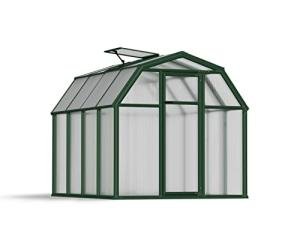
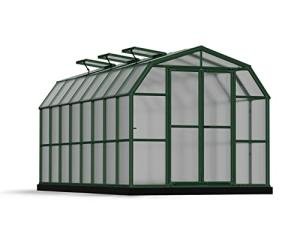
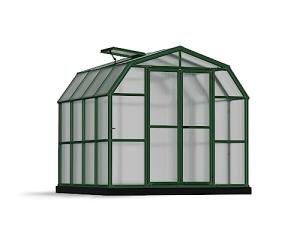
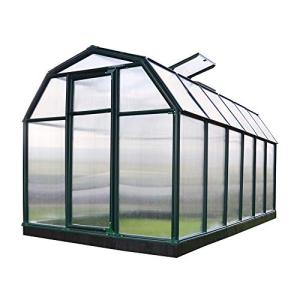
At 8 feet wide by 12 feet long, you're working with a genuinely useful interior footprint. This isn't a glorified grow cabinet. You can fit two full-length growing benches along the sides with a comfortable walking aisle down the center. Or you can go with a U-shaped bench arrangement and still have room to maneuver with a wheelbarrow. For most hobby growers, 96 square feet sits right in the sweet spot — large enough to be productive, small enough to manage without feeling overwhelmed.
The Frame: Aluminum Done Right
Let's talk structure, because a greenhouse is only as good as its skeleton.
The Jocisland uses a heavy-duty aluminum alloy frame throughout. Aluminum is the preferred material for greenhouse frames for several reasons: it won't rust like steel, it won't rot like wood, and it's lightweight enough to make assembly feasible for two people without requiring heavy equipment. The powder coating adds a second layer of protection against oxidation and UV degradation, which means this frame should hold up for years without the kind of corrosion you see on cheaper steel-frame alternatives after just a couple of seasons.
The engineering of the frame also accounts for snow load and wind resistance — two concerns that separate serious greenhouses from toys. The peaked roof design naturally sheds snow and rain, and the cross-bracing throughout the structure provides the rigidity needed to withstand wind gusts that would buckle a lesser frame.
One detail worth noting: the frame components connect using a channel-lock system rather than relying solely on screws and bolts at every junction. This creates a more seamless, stable connection and reduces the number of potential failure points over time.
Ventilation: Two Windows and a Swing Door System
Ventilation is one of the most underestimated aspects of greenhouse growing. Without proper airflow, you're essentially creating a humid petri dish for mold, mildew, and fungal diseases. Too much trapped heat in summer can cook your plants faster than any frost ever could.
The Jocisland addresses this with two roof-mounted ventilation windows and a full swing door system. The roof vents are positioned to take advantage of natural convection — hot air rises, escapes through the top vents, and draws cooler air in through the lower openings and doorway. It's passive, effective, and doesn't require any electrical components.
The swing doors are a significant upgrade over the sliding door designs you see on many competing models. Sliding doors on greenhouses tend to jam, stick, and fall off their tracks over time — especially when exposed to the expansion and contraction cycles of outdoor temperatures. A swing door on proper hinges is mechanically simpler, more reliable, and easier to open wide when you need to move large pots, bags of soil, or equipment in and out.
The door dimensions are generous enough to walk through comfortably without having to duck or turn sideways, which sounds like a small detail until you've spent a summer hunching through a narrow greenhouse entrance carrying flats of seedlings.
Polycarbonate Panels: Protection and Light Transmission
The 4mm twin-wall polycarbonate panels on the Jocisland deliver approximately 80% light transmission while filtering out harmful UV rays. That remaining 20% reduction isn't lost light in any meaningful sense — it's the harsh, direct radiation that causes leaf burn and uneven growth being converted into soft, diffused illumination that reaches plants from multiple angles.
The twin-wall construction is key to the thermal performance. That air gap between the two layers of polycarbonate acts as insulation, keeping the interior warmer during cold nights and slightly cooler during peak midday heat. It's not a substitute for supplemental heating in true winter growing zones, but it extends your season on both ends by several weeks, and in milder climates, it can make year-round growing entirely feasible.
The panels are also treated with a UV-resistant coating on the exterior surface. Untreated polycarbonate yellows and becomes brittle after a few years of sun exposure. The UV treatment dramatically extends the lifespan of the panels, keeping them clear and structurally sound for a decade or more with basic care.
Maintenance is straightforward: an occasional wash with mild soap and water is all these panels need. Unlike glass, you don't need to worry about chemical cleaners etching the surface or leaving residues that reduce light transmission.
Assembly: Honest Expectations
No greenhouse review is complete without addressing assembly, because this is where the rubber meets the road for most buyers.
The Jocisland is a two-person job — do not attempt this solo unless you enjoy frustration as a hobby. Budget a full day for assembly, possibly a day and a half if you're methodical and like to double-check measurements as you go. The instruction manual follows a logical sequence, and the pre-drilled holes in the aluminum frame components align well, which eliminates the infuriating "why doesn't this fit" moments that plague cheaper kits.
A few tips from experienced greenhouse assemblers: lay out all parts and hardware before you start, organize screws and bolts by size into labeled bags or cups, and have a cordless drill with a socket adapter on hand. The base frame should be set on a level surface — and "level" here means actually level, not "close enough." A slightly out-of-square base will compound into misaligned panels and gaps at the top of the structure.
A concrete pad, compacted gravel base, or pressure-treated lumber foundation all work well. Avoid assembling directly on bare soil, which will shift and settle unevenly over time.
Who Is This Greenhouse For?
The Jocisland 8x12 sits in a category that serves a specific gardener: someone who has moved past beginner-level growing and wants dedicated, controlled growing space without spending contractor-level money on a custom-built structure.
It's ideal for seed starting and hardening off transplants, extending the growing season for warm-weather crops like tomatoes, peppers, and cucumbers, overwintering tender perennials and tropicals, year-round herb production, and hobby-level cut flower growing. It's not designed for commercial production, and it won't replace a high-tunnel hoop house for market farming. But for its intended purpose — a serious home greenhouse — it delivers the space, durability, and climate control features that matter most.
Jocisland vs. Competing 8x12 Greenhouses
| Feature | Jocisland 8x12 | Palram Mythos 6x10 | Outsunny 8x12 | Rion Grand Gardener 8x12 |
|---|---|---|---|---|
| Dimensions | 8 x 12 ft (96 sq ft) | 6 x 10 ft (60 sq ft) | 8 x 12 ft (96 sq ft) | 8 x 12 ft (96 sq ft) |
| Frame Material | Heavy-duty aluminum (powder-coated black) | Rust-resistant aluminum (green) | Aluminum (silver/green) | Heavy-duty resin frame |
| Panel Material | 4mm twin-wall polycarbonate | 4mm twin-wall polycarbonate | 4mm polycarbonate | 4mm twin-wall polycarbonate |
| Roof Style | Peaked / A-frame | Peaked / A-frame | Peaked / A-frame | Barn-style (double peaked) |
| Ventilation | 2 roof windows + swing doors | 1 roof vent + hinged door | 2 roof vents + sliding door | 2 roof vents + double doors |
| Door Type | Swing door (hinged) | Single hinged door | Sliding door | Double hinged doors |
| UV Protection | Yes — UV-coated panels | Yes — UV-coated panels | Yes — UV-coated panels | Yes — UV-coated panels |
| Snow/Wind Rating | Heavy-duty rated | Moderate | Moderate | Heavy-duty rated |
| Color/Finish | Black aluminum | Green aluminum | Silver/Green | Dark grey resin |
| Assembly Difficulty | Moderate (2 people, full day) | Moderate (2 people, 4-6 hrs) | Moderate-Hard (2 people, full day) | Hard (2 people, 1-2 days) |
| Best For | Year-round growing, cold climates | Small gardens, beginners | Budget-conscious growers | Long-term investment, harsh climates |
| Foundation Required | Recommended (concrete/gravel) | Included base kit | Recommended | Included base kit |
Key Takeaways from the Comparison
The Palram Mythos is a popular entry-level option, but at only 60 square feet, it's significantly smaller and offers just a single roof vent. If you're serious about growing volume, that size limitation will frustrate you quickly.
The Outsunny 8x12 matches the Jocisland in footprint and sits at a lower price point. However, it uses a sliding door system that many users report as problematic after the first season, and the frame construction is generally considered less robust.
The Rion Grand Gardener is a premium option with a distinctive barn-style double-peaked roof that maximizes interior headroom and air circulation. It's built to last and handles extreme weather well. The trade-off is a higher price tag and a notably more complex assembly process.
The Jocisland lands in a compelling middle ground: serious construction quality, smart ventilation design, and a usable footprint at a price that doesn't require dipping into your home renovation budget.
Seasonal Performance: What to Expect Through the Year
Spring
This is where the greenhouse earns its keep. Start seeds six to eight weeks earlier than you could outdoors. Harden off transplants gradually by opening the vents and doors during warm afternoons. The controlled environment lets you get a massive head start on the growing season without gambling on late frosts.
Summer
Ventilation becomes critical. Open both roof vents fully and prop the swing doors open during peak heat hours. Consider adding a shade cloth over the roof panels if your region regularly hits temperatures above 90°F. The polycarbonate diffusion helps, but a greenhouse in full summer sun can still exceed 110°F inside without active management.
Fall
Reverse the spring strategy. As nighttime temperatures drop, close the vents earlier in the afternoon to trap residual heat. The twin-wall polycarbonate insulation becomes your best friend here, extending the harvest of warm-season crops well past the first frost date. Many growers find they can keep tomatoes producing through October or even November in zones 6 and 7.
Winter
In mild climates (zones 7 and above), the greenhouse alone may provide enough protection for cold-hardy crops like lettuce, spinach, kale, and root vegetables. In colder zones, a small electric heater or heat mat setup will be necessary for overnight protection. The sealed construction of the Jocisland minimizes drafts, which means your heating energy isn't immediately lost to air leaks.
Accessories and Upgrades Worth Considering
While the Jocisland comes ready to grow out of the box, a few additions can significantly enhance its performance.
Automatic vent openers are a worthwhile investment if you're not always home during the day. These temperature-sensitive pistons mount on the roof vents and open or close them automatically based on interior temperature. No electricity required — they run on wax cylinders that expand and contract with heat. They typically run between $25 and $40 each and save countless plants from heat stress.
Shelving and bench systems transform the interior from raw floor space into organized growing tiers. Slatted aluminum benches allow air circulation beneath pots and keep your working surface at a comfortable height.
A rain gutter and collection barrel can be attached to the roof edges to capture runoff. A 12-foot greenhouse roof collects a surprising amount of rainwater, and there's a pleasant circularity in watering your greenhouse plants with water that fell on the greenhouse itself.
Interior shade cloth (usually 40-50% shade rating) can be draped across the roof interior during the hottest months to moderate temperatures without blocking all light.
Long-Term Durability: Will It Last?
This is the question that matters most, because a greenhouse that falls apart after three years is just expensive yard waste.
The aluminum frame is inherently corrosion-resistant, and the powder coating adds a substantial protective layer on top of that. Barring physical damage from a falling tree or extreme impact event, the frame should last 15 to 20 years or more with zero maintenance.
The polycarbonate panels, with their UV-protective coating, have an expected functional lifespan of 10 to 15 years before any noticeable yellowing or brittleness develops. Replacement panels can be sourced individually if one gets damaged, so a single cracked panel doesn't mean replacing the entire structure.
The hardware — screws, bolts, hinges — is the most likely point of wear over time. An annual inspection and tightening pass each spring takes about 30 minutes and prevents small issues from becoming structural problems.
In Short
The Jocisland 8x12Ft Polycarbonate Greenhouse is not the cheapest greenhouse you can buy. It's not trying to be. What it is, however, is a well-engineered, thoughtfully designed growing structure that respects the intelligence and ambitions of the gardener buying it.
The heavy-duty aluminum frame and black powder-coated finish give it both structural integrity and visual appeal. The twin-wall polycarbonate panels strike the right balance between light transmission, insulation, and durability. The ventilation system — twin roof windows plus a proper swing door — provides the airflow control that separates successful greenhouse growers from people who just own a hot, humid box in their yard.
At 96 square feet, the growing space is substantial without being unmanageable. It's the kind of greenhouse where you can genuinely transform how you garden — starting seeds months earlier, extending harvests deep into fall, overwintering plants that would otherwise be lost, and growing crops that your outdoor climate simply won't support.
For the hobbyist who's ready to move beyond improvised solutions and invest in a structure that will serve them season after season, the Jocisland 8x12 is a compelling, well-built choice that earns its place in the backyard.
Ready to upgrade your growing game? Check out the Jocisland 8x12Ft Polycarbonate Greenhouse on Amazon and start planning your year-round garden.