Every gardener eventually hits the same wall. The raised beds are full. The windowsills are crowded with seedling trays. The garage has become a reluctant nursery for tender plants each autumn. And the nagging thought returns every spring: it's time for a greenhouse.
But not just any greenhouse. Not a flimsy hoop house that surrenders to the first November gust, and not a glass cathedral that costs more than a used car. What most backyard growers actually need is something in between — a structure with real bones, legitimate growing space, and panels that won't yellow and crack after two seasons in the sun.
The Specifications That Matter
Before aesthetics or brand reputation, greenhouses live and die by their specs. Here's what the Jocisland 16x12 brings to the table.
The overall footprint measures 16 feet long by 12 feet wide, with a peak height of 9.5 feet. That peak is noteworthy — many competing models in this price range top out around 7 to 8 feet, which makes working inside feel cramped, especially when hanging baskets or tall-growing crops are involved. The 6-foot wall height is another strong point. Straight side walls at that height mean usable space extends right to the edges, unlike designs with steep A-frame profiles that eat into your growing area.
The internal volume clocks in at approximately 1,170 cubic feet. That's enough room to comfortably set up multiple growing zones, install shelving on both long walls, and still walk through the center aisle without brushing against foliage.
The frame is constructed from rust-resistant aluminum with a 1.5mm wall thickness. Four thickened corner posts and ground stakes allow for anchoring into either concrete or soil. The manufacturer rates the weight capacity at 1,000 pounds, the wind rating at 56 mph, and the snow load capacity at 18 pounds per square foot. These aren't figures that will satisfy someone in heavy-snow territory or a hurricane zone, but for the vast majority of temperate-to-moderate climates, they represent solid engineering.
The polycarbonate panels are 6mm twin-wall construction, which is the industry standard for mid-tier greenhouses. Twin-wall polycarbonate provides better insulation than single-wall panels while still allowing diffused light transmission. Jocisland claims 99.99% UV protection — meaning the panels filter nearly all harmful ultraviolet radiation while still letting the visible light spectrum through for photosynthesis.
The greenhouse ships in multiple boxes (typically four), and Jocisland recommends building a 17x13 foot foundation to accommodate the structure properly. Assembly is estimated at around 12 hours with a team of three people.
Design Decisions That Stand Out
Several design choices on this model separate it from the crowded field of mid-priced polycarbonate kits.
The Pavilion-Style Roof
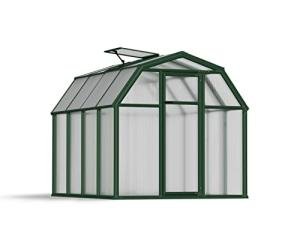
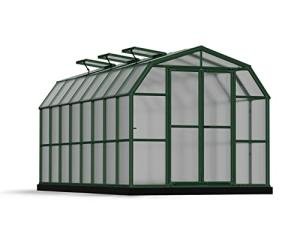
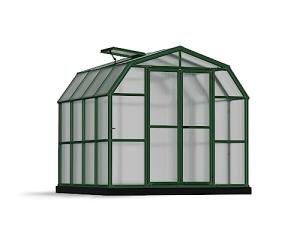
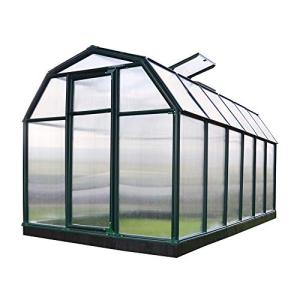
The most visually distinctive element is the pavilion-style roofline with what Jocisland describes as a spear-like top. This peaked design serves two practical purposes beyond aesthetics. First, it discourages birds from perching, which is a surprisingly common complaint among greenhouse owners dealing with droppings on panels. Second, the steep pitch helps shed rain and snow more effectively than flatter roof profiles, reducing the likelihood of pooling water or dangerous snow accumulation.
Double Doors with Hook Closure
The entry features a wide double-door design with hook closures. At 6 feet tall and generously wide, the doors accommodate wheelbarrows, potting carts, and gardeners who don't want to duck every time they enter. The hook mechanism keeps doors securely shut during wind gusts without requiring a complex latch system. It's a simple solution that works.
Ventilation Windows and Rain Gutters
Two roof-mounted ventilation windows provide passive airflow control. In warmer months, proper ventilation is the difference between a productive greenhouse and an oven that cooks your plants. While two vents may feel modest compared to models with four, the 16x12 floor plan means the roof-mounted vents paired with the double-door opening create a functional chimney effect — hot air rises out through the vents while cooler air draws in through the door.
The integrated rain gutter system channels water off the roof and directs it for collection or drainage. This is a practical feature that many budget greenhouses omit entirely. For gardeners who use rain barrels, the gutters provide a free irrigation source.
Inserted Panel System
Rather than using clips or external channels that can loosen over time, Jocisland uses an inserted panel system where the polycarbonate sheets slide directly into the aluminum frame channels. This approach creates a tighter seal, reduces drafts, and gives the finished structure a cleaner visual profile. It also means individual panels can be removed and replaced if one gets damaged without disassembling neighboring sections.
Who This Greenhouse Is Actually For
Not every greenhouse fits every gardener. The Jocisland 16x12 is best suited for several specific use cases.
The four-season grower. With proper supplemental heating in winter and the built-in ventilation for summer, this greenhouse can realistically support year-round cultivation in USDA zones 5 through 9. It traps enough warmth from passive solar gain to start seeds weeks before outdoor conditions allow and to extend fall harvests deep into November and December.
The suburban homesteader. At 192 square feet, it's large enough to grow a meaningful amount of food — we're talking dozens of tomato plants, rows of lettuce, herbs, peppers, and cucumbers running simultaneously. For anyone trying to offset grocery costs or grow specialty produce that's expensive at the store, this is a practical size.
The orchid and exotic plant collector. The controlled environment, UV-filtered light, and ventilation system make it ideal for tropical and subtropical plants that can't survive outdoor winters in most of the United States and Europe.
The gardener upgrading from a smaller kit. If you've outgrown a 6x8 or 8x10 greenhouse and you're ready for a structure that feels like a real growing room rather than a glorified cold frame, the leap to 16x12 is significant.
Assembly — The Honest Truth
Let's be direct: assembling a large polycarbonate greenhouse is not a weekend afternoon project. It's a weekend project, full stop.
Jocisland includes step-by-step instructions and a reference video. The pre-drilled holes and numbered components help, and the aluminum frame is light enough to handle without heavy equipment. But the reality with any greenhouse this size is that patience matters more than skill. Aligning panels, ensuring the frame is level and square, and tightening hundreds of fasteners takes time.
Based on user feedback for similar Jocisland models, plan for the following: foundation preparation will take a few hours on its own — whether you're laying pavers, pouring gravel, or building a treated lumber base. The actual greenhouse assembly runs around 10 to 15 hours depending on your team's experience level. Three people is the minimum; two can manage it but with significantly more frustration.
One common piece of advice from experienced buyers across this product category is to purchase extra stainless steel washers to place under bolt heads. The included hardware is functional but adding washers distributes pressure more evenly across the aluminum frame and prevents long-term loosening from thermal expansion and contraction cycles.
Also worth noting: the foundation recommendation is 17x13 feet, which gives you a foot of clearance around the structure. Don't skip this. A properly prepared base prevents shifting, keeps the frame square, and dramatically simplifies assembly.
How It Compares to the Competition
No product review is complete without context. Here's how the Jocisland 16x12 stacks up against comparable models from other brands.
| Feature | Jocisland 16x12x9.5 FT | AMERLIFE 12x13.5x9 FT | HOWE 8x12x7.5 FT | VEVOR 8x14 FT |
|---|---|---|---|---|
| Dimensions (LxWxH) | 16 x 12 x 9.5 ft | 12 x 13.5 x 9 ft | 8 x 12 x 7.5 ft | 8 x 14 x ~8 ft |
| Growing Area | ~192 sq ft | ~162 sq ft | ~96 sq ft | ~112 sq ft |
| Interior Volume | 1,170 cu ft | ~875 cu ft | ~575 cu ft | ~650 cu ft (est.) |
| Wall Height | 6 ft | 5.5 ft | 5.2 ft | ~5 ft |
| Panel Thickness | 6mm twin-wall PC | 6mm twin-wall PC | 6mm twin-wall PC | 4mm twin-wall PC |
| Frame Material | Aluminum (1.5mm) | Aluminum (1.5mm) | Aluminum | Aluminum |
| UV Protection | 99.99% | 99.99% | 99.99% | 99.9% |
| Wind Rating | 56 mph | 70 mph | 56 mph | ~50 mph |
| Snow Load | 18 psf | 30 psf | 18 psf | Not specified |
| Ventilation | 2 roof vents | 4 vents | 4 vents | 2 vents |
| Door Style | Double hinged w/ hook | Swing double doors | 4 swing doors | Hinged door |
| Rain Gutters | Yes | Yes | Yes | No |
| Assembly Time (est.) | ~12 hours (3 people) | ~8 hours (3 people) | ~12 hours (3 people) | ~6-8 hours (2 people) |
| Quick-Connect System | No | Yes | No | No |
| Price Range | $$$ | $$$ | $$ | $$ |
| Best For | Maximum growing space | Fast assembly + strength | Mid-size hobby growing | Budget entry point |
A few things jump out from this comparison.
The Jocisland 16x12 offers the most raw square footage and interior volume of any model in this group — by a wide margin. At nearly 200 square feet, it gives gardeners roughly double the floor space of the VEVOR and HOWE models. The 6-foot wall height is also the tallest here, making it noticeably more comfortable for standing work along the perimeter walls.
Where it concedes ground is in weather ratings. The AMERLIFE model boasts a higher wind rating at 70 mph and a substantially greater snow load capacity at 30 psf, compared to the Jocisland's 56 mph and 18 psf. If you live in an area with harsh winters or regular high-wind events, the AMERLIFE's reinforced post system and quick-connect construction may warrant consideration despite the smaller footprint.
The assembly question is also worth weighing. AMERLIFE's quick-connect system cuts estimated build time roughly in half. For people who dread complicated construction projects, that's a genuine advantage. The Jocisland, with its traditional bolt-and-screw approach, demands more time but also gives you full control over tightening and alignment.
On panel quality, the Jocisland and AMERLIFE match each other with 6mm twin-wall polycarbonate — the standard that most greenhouse experts recommend as the baseline for year-round use. The VEVOR's 4mm panels will work for three-season growing but provide noticeably less insulation, which translates to higher heating costs in cold climates.
Maintenance and Long-Term Ownership
A greenhouse is a long-term commitment. Here's what ongoing care looks like for the Jocisland 16x12.
Panel cleaning: Polycarbonate panels should be washed two to three times per year with mild soap and water. Avoid abrasive cleaners or pressure washers, which can scratch the UV coating. Algae growth on the exterior is normal in humid climates — a soft brush handles it easily.
Frame inspection: Check all bolts and fasteners at the start and end of each growing season. Aluminum doesn't rust, but thermal cycling can gradually loosen connections. A quick pass with a wrench in spring and fall takes less than an hour and prevents rattling or panel movement during storms.
Gutter maintenance: Clear leaves and debris from rain gutters at least seasonally. Clogged gutters cause water overflow that can pool near the foundation and undermine your base over time.
Ventilation upkeep: Ensure vent windows open and close freely. Lubricating the hinge mechanism annually keeps them functional. Some owners upgrade to automatic vent openers (thermally activated pistons that open vents when internal temperature reaches a set point) for hands-off temperature regulation.
Snow management: In snowy regions, avoid letting heavy snow accumulate on the roof. While the structure handles 18 psf, wet heavy snow can exceed that quickly. A roof rake or even a long-handled broom used from inside can safely clear buildup after storms.
What Experienced Greenhouse Growers Should Know
If this isn't your first greenhouse, here are the finer points that will matter to you.
The 6mm twin-wall panels diffuse light rather than transmitting it directly. This is actually preferable for most plants, as it eliminates harsh hot spots and distributes illumination more evenly. However, if you're growing light-demanding crops like full-sun peppers or fig trees, you may notice slightly slower growth compared to a glass greenhouse. The tradeoff is that diffused light reduces sunburn risk on tender foliage.
The two-vent configuration is adequate but not generous for a 192-square-foot space. Plan on supplementing with one or two small circulation fans during the hottest months. A single oscillating fan running on a timer dramatically improves airflow, reduces humidity pockets, and discourages fungal diseases like botrytis and powdery mildew.
Foundation choice matters enormously for the long-term performance of this greenhouse. A level concrete pad or compacted gravel base with pressure-treated timber perimeter is ideal. Bare soil works but will settle unevenly over the years, which stresses the frame and can cause panel gaps. The hour or two spent getting the foundation right pays dividends for a decade.
Heat retention is good but not exceptional with 6mm twin-wall panels. In zones 5 and 6, you'll need supplemental heating for true winter growing. A small electric heater with a thermostat, combined with thermal mass (water-filled barrels that absorb heat during the day and release it at night), can keep interior temperatures above freezing even when outdoor temps drop into the teens.
The Value Proposition
The polycarbonate greenhouse market has become increasingly competitive, with dozens of brands fighting for the attention of backyard gardeners. Within that landscape, the Jocisland 16x12x9.5 occupies an interesting position.
It's not the cheapest option. Budget-conscious buyers can find smaller kits from VEVOR or Outsunny for considerably less. But those smaller models don't deliver the kind of usable space that makes greenhouse ownership transformative rather than merely convenient.
It's not the most weather-hardened option, either. Buyers in snow-heavy or high-wind regions should look carefully at models with higher rated load capacities, like the AMERLIFE lineup with its 70 mph wind rating and 30 psf snow load.
What the Jocisland 16x12 does offer is a compelling balance of space, build quality, and practical features at a price point that doesn't require a second mortgage. The 1,170 cubic feet of interior volume, the 6-foot wall height, the rain gutters, the pavilion-style roof design, and the 6mm twin-wall panels collectively represent a greenhouse that most serious home gardeners will find genuinely useful — not just for a season or two, but for years of productive growing.
Final Verdict
The Jocisland 16x12x9.5 FT Polycarbonate Greenhouse is a serious structure for serious growers. It won't assemble itself in an afternoon, it demands a properly prepared foundation, and it benefits from a few owner-added improvements like extra washers and supplemental ventilation fans.
But for the gardener who's ready to commit to a greenhouse that feels like a real room rather than a fragile tent, this model delivers where it counts. The footprint is generous. The panels are durable and properly UV-rated. The frame is built from materials that won't corrode. And the design details — from the bird-deterring roof peak to the integrated rain gutters — show thoughtful engineering rather than corners being cut.
For anyone who has been waiting for the right moment to graduate from hobby containers to a dedicated growing structure, the Jocisland 16x12 is a strong candidate that deserves a spot on the shortlist.
Disclosure: Product specifications referenced in this article are based on manufacturer listings and publicly available data. Prices and availability may vary. Always verify current specifications before purchasing.