What You're Actually Getting
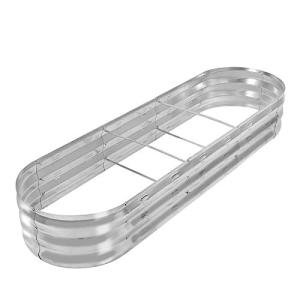
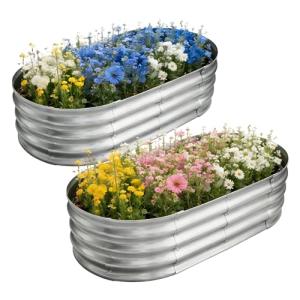
Before diving into the details, it helps to understand what's in the box. You receive two complete raised garden bed units, each measuring 72 inches long × 36 inches wide × 12 inches tall (6×3×1 feet). That gives you a total growing area of 36 square feet across both beds — a meaningful amount of planting space that can support a surprisingly diverse garden.
Each bed arrives as a flat-pack kit with pre-cut galvanized steel panels, connecting hardware, and horizontal support rods. The silver finish is clean and modern — it reads as intentionally designed rather than industrial salvage, which matters if your garden is a visible part of your outdoor living space.
The dimensions are worth sitting with for a moment. Twelve inches of depth is the sweet spot for most vegetables and flowering plants. Shallow-rooted crops like lettuce, spinach, herbs, and radishes only need 6–8 inches. Mid-depth plants like peppers, onions, and most annual flowers are happy in 10–12 inches. Even tomatoes and squash can thrive here with proper soil composition. You're not locked into one type of plant — you're building a flexible growing platform.
Build Quality: Why Galvanized Steel Changes Everything
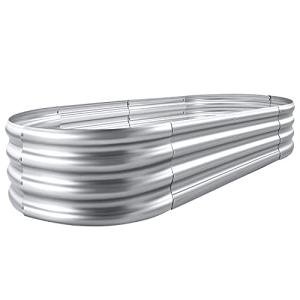
The beds are made from thick galvanized steel, engineered for superior strength and longevity. Galvanization is a zinc-coating process that creates a physical barrier against moisture, oxygen, and the microbes that cause rust and corrosion. Unlike painted steel, which chips and peels over time, galvanized steel maintains its protective layer even when scratched. In practical terms, this means you're not replacing your garden beds in three years because they rotted at the soil line — a fate that regularly befalls untreated or painted wood alternatives.
The steel panels on the Meberam beds have a corrugated profile. This isn't just an aesthetic choice — corrugation adds structural rigidity without adding weight. The ridged surface resists bending under the considerable pressure that moist, compacted soil exerts on the walls of a raised bed. Over a growing season, a standard 6×3 bed filled with soil can exert significant lateral force on its walls. Flimsy panels bow outward; corrugated steel holds.
The side panels are reinforced with metal connecting rods at the midpoint to reduce the possibility of twisting or tipping during use. This is the kind of engineering detail that separates a well-thought-out product from a cost-cut one. Three horizontal connecting rods running across the width of each bed act as internal bracing, keeping the long sides parallel even as the soil settles and swells through seasons of watering and weather.
The Open-Bottom Design: A Soil Science Win
One of the most important features of this bed isn't something you see — it's what's not there. The open-bottom design allows for natural water drainage, promoting healthy planted soil conditions.
This matters more than most buyers initially realize. Closed-bottom planters trap water, which creates anaerobic conditions at root level — essentially drowning your plants slowly from below. The open bottom of the Meberam beds allows excess water to drain freely into the ground beneath, preventing waterlogging while also allowing beneficial soil organisms (earthworms, microbes, fungi) to migrate up from the native soil into your growing medium. Your raised bed doesn't exist in isolation from the ground — it becomes an extension of it.
The open bottom also means the beds can be placed directly on grass without requiring elaborate site preparation. The grass beneath will die off from lack of light within a few weeks, and your new growing environment will be fully integrated with the native soil ecosystem below.
Assembly: No Tools, No Headaches
Assembly is designed to be fast and straightforward, requiring just 30 screws per bed and no tools beyond what's included in the kit. That might sound like marketing copy, but it's worth unpacking. Many competing beds in this category require drilling, sawing, or at minimum a cordless screwdriver. The Meberam system uses a reduced-hardware approach: fewer connection points means fewer opportunities to misalign panels, strip screws, or lose hardware in the grass.
Most reviewers report completing both beds in under 45 minutes, including the time spent unpacking and organizing components. For context, a comparable wooden raised bed kit at the same size often takes two to three hours and requires two people. The Meberam assembly can realistically be completed by one adult working alone.
The panels interlock along pre-punched edges, and the support rods clip into position horizontally — no measuring, no leveling required at the hardware stage. You do want to ensure the ground beneath is reasonably flat before placing the finished frame, but that's a five-minute task with a shovel rather than a half-day landscaping project.
Safety and Soil Compatibility
The coating used on these beds is safe and non-toxic, ensuring it won't affect your soil or plants. This is a legitimate concern worth addressing directly. Galvanized steel is coated in zinc, and some gardeners have raised questions about whether zinc leaches into soil at levels that could harm plants or, in the case of food crops, humans.
The scientific consensus is reassuring. Studies on galvanized steel raised beds have consistently found that zinc migration into soil is minimal — well below levels that would harm plant growth or human health. In fact, zinc is a micronutrient that plants require in small amounts. Meberam's explicit non-toxic coating certification adds an additional layer of confidence for growers who want to be certain their vegetable crops aren't accumulating unintended compounds.
For edible gardening — which is the primary use case here — these beds are safe. You can grow lettuce, tomatoes, cucumbers, herbs, and root vegetables without concern.
What Grows Well in a 6×3×12-Inch Bed
The 36-square-foot combined growing area of both beds opens up a genuinely impressive range of planting options. Here's a practical breakdown by category:
Vegetables: Tomatoes (one or two indeterminate plants per bed, staked), bush beans, cucumbers (with trellis), zucchini, kale, chard, lettuce mixes, spinach, radishes, carrots (in loose amended soil), beets, and peppers.
Herbs: Basil, parsley, cilantro, dill, chives, oregano, thyme, and sage all thrive in 12-inch depth. Mint should be contained separately — it will otherwise take over.
Flowers: Marigolds (excellent for pest control alongside vegetables), nasturtiums, zinnias, cosmos, and dwarf sunflowers all perform beautifully and attract pollinators that benefit your food crops.
Strawberries: A personal favorite use for this bed format. A 6×3 bed planted with a grid of strawberry crowns becomes a compact, highly productive berry patch that's easy to net against birds.
The modular nature of having two beds is worth emphasizing. You can organize your garden into distinct sections to prevent interference between different plant types, allowing each to flourish undisturbed. Keep your herbs in one bed, your heavy-feeding vegetables in another. Rotate crops between the two beds each season to reduce disease buildup in the soil.
Placement Flexibility: Patio, Yard, or Somewhere In Between
The silver galvanized finish is neutral enough to work in almost any outdoor setting. On a wooden deck, the metallic tone complements natural wood grain. On a concrete patio, the beds add organic warmth. Against a fence line or along a sunny wall, two 6×3 beds can be arranged end-to-end to create a 12-foot growing corridor, or placed side-by-side for a compact 6×6 garden footprint.
The 12-inch height is accessible without being so tall that it requires significant soil volume to fill. To fill two 6×3×1-foot beds, you'll need approximately 54 cubic feet of soil — or about 27 cubic feet per bed. Using a mix of quality topsoil, compost, and an amendment like perlite or coco coir is recommended over native garden soil, which often compacts in raised beds over time.
Comparison Table: Meberam vs. Similar Galvanized Raised Bed Kits
| Feature | Meberam 2-Pack 6×3×1FT | Foxlang 2-Pack 8×4×1FT | Vengarus 2-Pack 9×3×1FT | Henshwon 2-Pack 6×3×1FT |
|---|---|---|---|---|
| Pack Quantity | 2 beds | 2 beds | 2 beds | 2 beds |
| Dimensions (each) | 72"×36"×12" | 96"×48"×12" | 108"×36"×12" | 72"×36"×12" |
| Total Growing Area | 36 sq ft | 64 sq ft | 54 sq ft | 36 sq ft |
| Material | Galvanized steel | Galvanized steel | Galvanized steel | Galvanized steel |
| Horizontal Support Rods | ✅ Yes | ✅ Yes | ✅ Yes | ✅ Yes |
| Open Bottom | ✅ Yes | ✅ Yes | ✅ Yes | ✅ Yes |
| Tool-Free Assembly | ✅ Yes | ✅ Yes | ❌ Some tools req. | ✅ Yes |
| Color Options | Silver, Black, Gray | Silver | Silver | Silver, Black |
| Best For | Compact yards, patios | Larger gardens | Long narrow spaces | Comparable use case |
| Screw Count | ~30 per bed | ~40 per bed | ~35 per bed | ~30 per bed |
The Meberam 6×3 format occupies the sweet spot for most home gardeners. The Foxlang 8×4 offers more growing space but demands more square footage and more soil to fill. The Vengarus 9×3 is ideal for narrow strips along fences. Where Meberam distinguishes itself is in the combination of manageable size, clean aesthetics, tool-free build, and structural reinforcement — all in a two-pack value configuration.
Long-Term Value: Built to Last More Than One Season
Advanced coating techniques make these beds engineered to endure the demands of continuous external exposure. That's the key phrase for anyone thinking about return on investment. A set of quality raised beds isn't a one-season purchase — it's infrastructure. Wood beds at this size can run $80–$150 each and typically need replacing every 3–7 years as rot sets in, especially at the corners and soil-contact edges. Galvanized steel, properly maintained, lasts 10–20 years with virtually no intervention.
You fill them once. You plant season after season. You add compost each spring. That's the entire maintenance equation.
Final Verdict
The Meberam 2 Pack 6×3×1FT Galvanized Raised Garden Bed Kit earns its place as a leading option in the mid-market raised bed category. It's not the cheapest option available, and it's not trying to be. What it delivers is a well-engineered, structurally sound, safe, and genuinely attractive growing solution that holds up across years and seasons.
The combination of thick galvanized steel, internal support rods, open-bottom drainage, non-toxic coating, and no-tools assembly addresses every practical concern a gardener might have before buying. For anyone looking to establish a productive kitchen garden, create a dedicated herb space, or give cut flowers a proper home, this two-pack represents a meaningful upgrade over flimsy alternatives — and a genuine investment in how you grow.