What Exactly Is a Pergola?
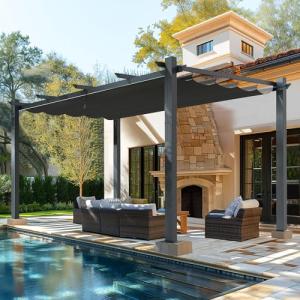
A pergola is an open-roofed outdoor structure supported by columns or posts, typically featuring a series of cross-beams or rafters overhead. Unlike a gazebo, which has a solid enclosed roof and a fixed octagonal shape, pergolas are open to the sky — or partially so. Unlike a simple awning or sail shade, a pergola has architectural presence. It's a structure, not an accessory.
The word itself comes from the Latin pergula, meaning a projecting eave or vine-covered walkway, and that etymology tells you something important: pergolas have a long history of being intertwined with plants, with gardens, with the human desire to sit outside in comfort and beauty.
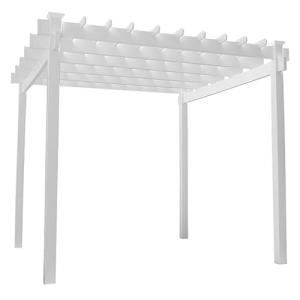
Today's pergolas span a huge range of styles and materials. You'll find traditional wood pergolas that look like they've always been part of the landscape, sleek aluminum pergolas with motorized louvered roofs that open and close with the push of a button, vinyl pergolas that never need painting or staining, and composite pergolas that blend the warmth of wood with the durability of modern materials. The variety is genuinely impressive — and it means there's almost certainly a pergola that's right for your space, your style, and your budget.
Why People Fall in Love With Pergolas
Ask someone who has a pergola in their backyard why they love it and you'll almost always get the same kind of answer. It's not about the structure itself — it's about what the structure makes possible.
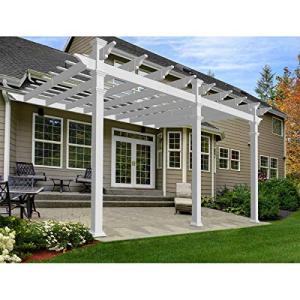
It creates outdoor rooms. One of the hardest things to achieve in a backyard is a sense of defined space. Without structure, a patio is just a slab of concrete next to a lawn. Add a pergola overhead and suddenly you have a dining room outside. A living room. A place that feels intentional and inviting rather than just leftover space behind the house.
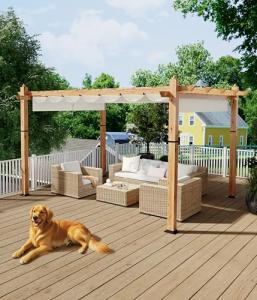
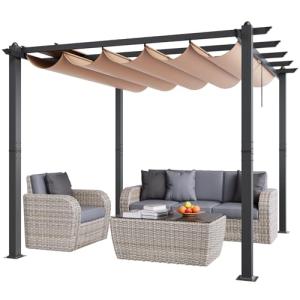
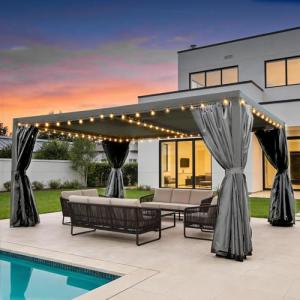
It makes outdoor furniture make sense. A sofa and coffee table sitting in the open yard always looks a bit awkward. Those same pieces under a pergola look purposeful, composed, like a real seating arrangement. The overhead structure gives the furniture context — and it makes people actually want to sit there.
It extends how long you can use your outdoor space. Dappled shade on a hot summer day makes the difference between staying outside and retreating inside. Pergolas don't block out all the sun, but the overhead structure — especially when draped with fabric or covered with climbing plants — creates just enough relief to make afternoons comfortable rather than brutal.
It adds genuine value to a property. Real estate agents consistently note that thoughtfully designed outdoor living spaces improve home appeal. A pergola, especially one that's well-built and cohesively designed, can be a meaningful selling point.
Types of Pergolas: Finding the Right Fit
The pergola market has expanded considerably over the past decade, and what's available now goes well beyond the basic wood kit you might have seen at a home improvement store in years past.
Freestanding Pergolas
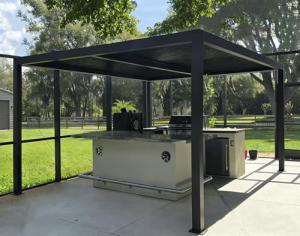
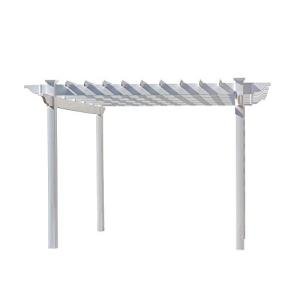
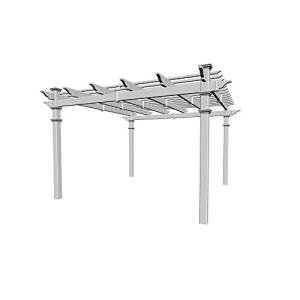
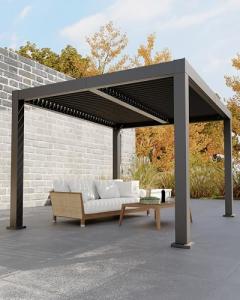
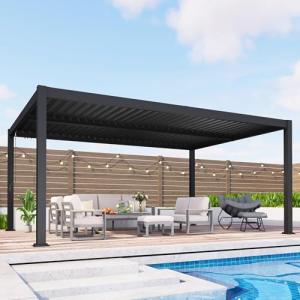
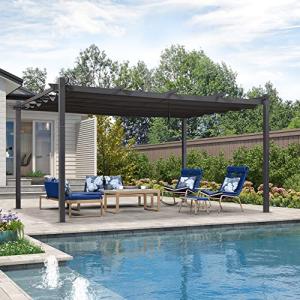
Freestanding pergolas stand entirely on their own, supported by four or more posts anchored into the ground or to a hard surface. They can be placed anywhere in a yard — over a patio, beside a pool, in the middle of a garden, at the end of a path. Because they don't attach to the house, they give you total flexibility in placement and can become the focal point of a garden rather than just an extension of the home's architecture.
Attached Pergolas
Attached pergolas connect directly to the exterior wall of a house, with one end supported by the house structure and the other end by posts. This creates a seamless transition between indoor and outdoor spaces, making them ideal for placement just outside sliding doors or French doors leading to living rooms and kitchens. They feel more integrated, more architectural — like the house was always meant to extend outward in exactly that way.
Louvered Pergolas
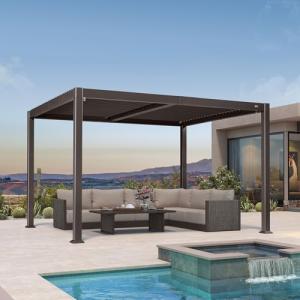
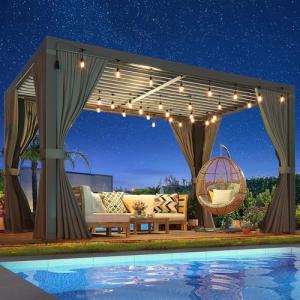
Louvered pergolas are among the most sophisticated options on the market. Instead of fixed beams or slats, they feature adjustable louvers — horizontal slats in the roof that can be rotated to control sunlight, airflow, and weather protection. Many louvered pergola systems include motorized adjustment, rain sensors that automatically close the roof when precipitation begins, and integrated LED lighting. They're an investment, but they deliver a genuinely all-weather outdoor room experience.
Arched and Tunnel Pergolas
Not all pergolas are designed to cover a seating area. Arched and tunnel-style pergolas are designed for walkways, garden paths, and entryways. Covered in roses, wisteria, or climbing hydrangea, a tunnel pergola becomes one of the most spectacular features a garden can have — a living corridor that changes with the seasons.
Sail and Canopy Pergolas
Some pergola designs incorporate fabric canopies or shade sails rather than wooden or metal roofing elements. These pergola-shade hybrids offer a softer, more casual aesthetic and are often easier to install. The fabric can typically be removed in winter or replaced to change the look of the space entirely.
Pergola Materials: What You're Actually Choosing Between
Material choice matters more than almost any other decision you'll make when selecting a pergola. It affects how the structure looks, how long it lasts, how much maintenance it requires, and what it costs.
Cedar and Redwood are the classic choices for wood pergolas. Both are naturally resistant to insects and moisture, take stain and paint beautifully, and have a warmth that manufactured materials rarely replicate. The trade-off is maintenance — wood pergolas need to be cleaned, re-stained, or sealed periodically to keep them looking their best. Neglect them and they'll grey, crack, and eventually deteriorate.
Pressure-Treated Pine is a more affordable wood option that offers good rot resistance thanks to its treatment process. It's widely available and works well for pergolas that will be painted. It can look rougher than cedar or redwood initially, but sanding and finishing make a significant difference.
Vinyl/PVC Pergolas are designed for the homeowner who wants wood aesthetics without wood maintenance. Modern vinyl pergolas are significantly better-looking than early versions and come in a range of colors and profiles. They won't rot, won't splinter, don't need painting, and hold up well over decades. Their main limitation is that they can look slightly less substantial than wood and aren't ideal for climates with extreme temperature swings, which can cause the material to expand and contract.
Aluminum Pergolas are the material of choice for contemporary and modern-style pergolas, and they dominate the premium louvered pergola market. Aluminum is strong, lightweight, rust-proof, and can be powder-coated in virtually any color. It requires almost zero maintenance and can be engineered to very precise tolerances — which is why it works so well for motorized louvered systems. It's not the choice if you're going for a traditional garden aesthetic, but for clean lines and long-term durability, it's hard to beat.
Steel Pergolas offer a heavier, more industrial aesthetic. Less common than aluminum, steel pergolas are extremely strong and can support significant weight — useful if you're planning to hang heavy lighting, planters, or fabric. They require rust prevention treatment, but many come powder-coated straight from the manufacturer.
Sizing Your Pergola Correctly
One of the most common mistakes people make when buying a pergola is going too small. It's understandable — you see the dimensions on paper and think a 10x10 structure sounds substantial. Then it goes up and feels cramped.
As a starting rule, think about what you want to fit under the pergola. A dining table for six typically needs at least a 12x12 or 12x14 footprint. A generous outdoor sofa and chairs arrangement needs similar or more. Add the fact that you want people to be able to move around the furniture without feeling like they're brushing against the posts, and you'll often find yourself sizing up from your first instinct.
Ceiling height matters too. Pergolas that feel airy and comfortable typically have posts at least seven feet tall, and eight feet or more creates a noticeably more spacious feel.
Pergolas and Plants: A Natural Partnership
There's a reason so many people think of climbing plants the moment they imagine a pergola. The structure is almost purpose-built for vines, and the combination of built form and living material produces something neither can achieve alone.
Wisteria is the classic choice — spectacular but demanding, with vigorous growth and famously heavy blooms in late spring. Climbing roses offer more color options and a longer flowering season. Clematis is more manageable in scale and comes in dozens of varieties. Hop vines grow astonishingly fast and create dense, fragrant shade through summer. Grapevines offer edible appeal alongside beautiful foliage.
Even without plants, pergolas can be enhanced overhead with outdoor string lights, hanging lanterns, sail shade fabric, or retractable canopies — all of which contribute to that defining feature of a great pergola: the sense of being in a special place.
What to Look For When You Buy
With so many options available, a few key things separate a pergola you'll love for twenty years from one you'll regret by the third season.
Construction quality is primary. Look at joinery, post thickness, beam dimensions, and hardware. Well-made pergolas use substantial posts — typically 4x4 at minimum for smaller structures, 6x6 for larger ones — and galvanized or stainless steel hardware that won't rust and stain the wood.
Warranty terms tell you a great deal about manufacturer confidence. Solid aluminum pergola systems often carry 10, 15, or even lifetime warranties. Wood pergolas are harder to warrant long-term, but manufacturers who stand behind their product still offer meaningful coverage.
Clear installation instructions matter more than you might expect, especially for DIY installation. The best pergola kits are engineered so the parts can only go together one way, with clear labeling and step-by-step guidance that doesn't assume professional experience.
Local permit requirements are worth checking before you buy. Most residential pergolas under a certain size don't require permits, but attached structures and larger freestanding pergolas sometimes do. A quick call to your local building department before purchase saves potential headaches.
A pergola isn't just an outdoor structure. It's an outdoor life. It's the difference between a backyard you walk through and a backyard you actually live in — a space with identity, with comfort, with a reason to be there.
Whether you're drawn to a simple cedar kit that you'll build over a weekend and watch vines climb over the next five years, or a sophisticated louvered aluminum system that turns your patio into a true all-season room, there's a pergola in this category built for your space and your vision.
Browse our full range, take your time, and imagine what your backyard could become.