Why Every Garden Needs a Shed
Let's be honest — gardens accumulate stuff. Fertiliser, pots, garden tools, extension cables, the barbecue you use three times a year, bags of compost, the kids' outdoor toys, and somehow a growing collection of plant labels you've never actually used. Without somewhere to put it all, your garden starts to feel cluttered and overwhelming rather than the relaxing retreat it's supposed to be.
A garden shed solves this immediately. It creates a dedicated home for everything garden-related, freeing up your garage, your hallway, and your sanity. Beyond storage, a shed can become a workshop for woodworking, a potting shed for keen gardeners, a studio, a home office, or simply a quiet retreat where you can escape for half an hour with a cup of tea.
The right shed doesn't just solve a practical problem — it enhances the whole feel of your garden.
Types of Garden Sheds
Not all sheds are created equal, and the type you choose will depend on how you plan to use it, how much space you have, and what kind of look you're going for.
Wooden Garden Sheds
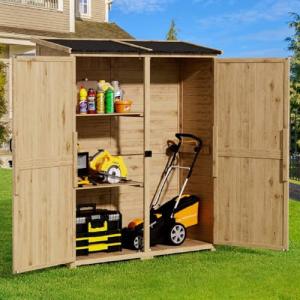
Wooden sheds are the most popular choice in the UK and Ireland, and for good reason. They look natural, they blend beautifully into a garden setting, and they have a warmth and character that metal and plastic simply can't match. Timber sheds are also relatively easy to customise — you can paint or stain them whatever colour you like, add shelving, hang tools from hooks, and make the interior genuinely your own.
Most wooden sheds are made from overlap, tongue-and-groove, or shiplap cladding. Tongue-and-groove is generally considered the premium option because the boards interlock tightly, providing better insulation and weather resistance. Overlap cladding is more affordable and still performs well with proper treatment.
The main thing to keep in mind with wooden sheds is maintenance. Timber needs to be treated every one to three years to keep it in good condition, protected from moisture and UV damage. Ignore this, and even a quality shed can deteriorate faster than you'd expect. Treat it properly, and a solid wooden shed can last twenty years or more.
Metal Garden Sheds
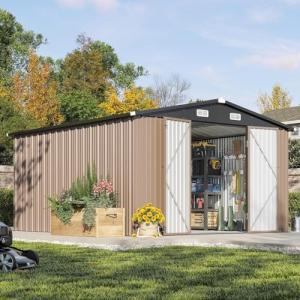
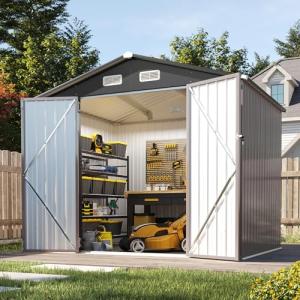
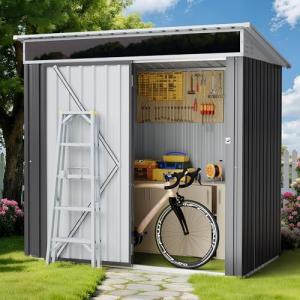
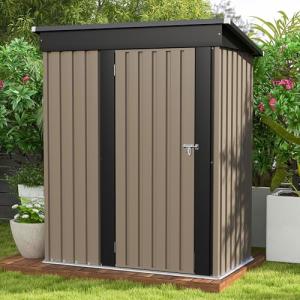
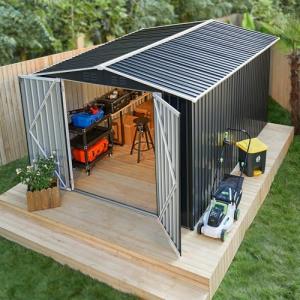
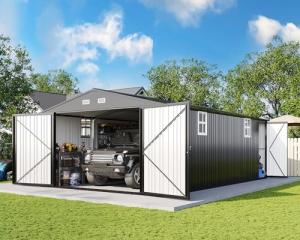
If durability and security are your top priorities, a metal shed is hard to beat. Steel sheds are incredibly strong, naturally resistant to rot and pests, and require virtually no maintenance beyond occasionally checking that the fixings are tight. They're also difficult to break into, making them an excellent choice for storing higher-value items like bikes, power tools, or garden machinery.
Modern metal sheds have come a long way aesthetically — many now come in attractive colours with clean lines that look perfectly respectable in a contemporary garden. They tend to be cheaper than equivalent wooden sheds, which makes them popular for buyers who want reliable, low-effort storage without a high price tag.
The downside? Metal sheds can get hot in summer and cold in winter, and condensation can be an issue, potentially affecting anything stored inside. Adding insulation and a proper base helps significantly with both of these problems.
Plastic Garden Sheds
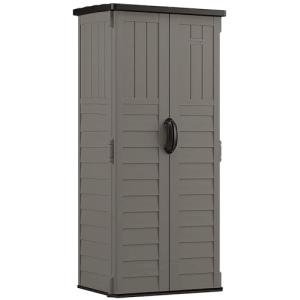
Plastic (usually polypropylene or resin) sheds occupy an interesting middle ground. They're completely weatherproof, rot-proof, and require essentially zero maintenance — you literally just leave them alone. No painting, no treating, no worrying. For busy homeowners who want storage sorted without any ongoing effort, this is genuinely appealing.
Plastic sheds are also lightweight and relatively easy to assemble. They won't rust, they won't warp, and they're resistant to pests and UV degradation.
The trade-off is that they rarely look as attractive as wood, and they can feel less substantial. In strong winds, a plastic shed needs to be properly anchored. They're also not as easy to customise inside.
Log Cabins and Garden Rooms
At the premium end of the market, log cabin-style garden buildings blur the line between a traditional shed and a proper outdoor room. Built from thick interlocking logs, these structures offer real insulation, a beautiful rustic aesthetic, and enough quality to serve as a proper workspace, studio, or garden office. If you've ever dreamed of having a dedicated space at the bottom of the garden — somewhere with windows, a little heater, proper lighting — a log cabin shed is where that dream starts.
Choosing the Right Size
One of the most common regrets shed buyers have is going too small. Once you start loading in the lawnmower, the wheelbarrow, the garden tools, bags of compost, the outdoor furniture cushions, and the rest of it, even a shed that seemed spacious on paper can fill up surprisingly quickly.
As a general rule: buy one size bigger than you think you need. You'll thank yourself within the first season.
Small Sheds (4x6 ft to 6x4 ft)
Small sheds are perfect for compact gardens, patios, or situations where you only need to store a handful of items — a few tools, a lawnmower, some plant pots. They're also a good option if you're working within tight planning restrictions or have limited space at the side of a house.
Medium Sheds (6x8 ft to 8x6 ft)
This is the sweet spot for most households. A medium shed comfortably accommodates a lawnmower, standard garden tools, bikes, and general outdoor storage, while still leaving room to move around inside. If you're unsure what size to get, a 6x8 or 8x6 is usually a reliable starting point.
Large Sheds (10x8 ft and above)
Large sheds are for serious gardeners, hobbyists, or anyone who needs a genuine workshop space. At this size, you have room for a workbench, proper shelving, multiple large machines, and still maintain a workable interior. Many buyers choose large sheds specifically because they want a dedicated space to pursue a hobby, rather than simply somewhere to store things.
Key Features to Look For
Floor and Base
A shed is only as good as the base it sits on. Every shed needs a solid, level base — concrete, paving slabs, or a purpose-built timber base all work well. Don't underestimate this step; a poor base leads to doors that won't close properly, floors that warp, and structural problems down the line.
Some sheds come with a built-in floor; others are designed to sit on a base you provide. Check what's included before you buy.
Roof Style
Apex roofs (the classic triangular ridge) shed rain effectively, provide better headroom, and tend to look more traditional. Pent roofs slope in a single direction and are a good choice if your shed sits against a wall or fence, or if you prefer a more contemporary look. Both work perfectly well — it comes down to aesthetics and the practical layout of your garden.
Windows and Ventilation
Natural light makes a shed considerably more pleasant to work in, and windows are worth having if your budget allows. Standard single-glazed windows are fine for most purposes; if you're spending a lot of time in the shed, you might consider adding ventilation panels to prevent moisture build-up.
Security
Sheds can be targeted by opportunistic thieves, particularly if you store bikes or power tools inside. Look for sheds with concealed or anti-tamper hinges, a hasp and staple fitting for a padlock, and consider adding a ground anchor for bikes and expensive equipment. A sturdy shed with decent security measures is a much less attractive target than one that can be opened with a screwdriver.
Pressure Treatment
For wooden sheds, pressure-treated timber is a significant upgrade worth paying for. Unlike surface-applied treatments, pressure treatment forces preservative deep into the wood fibres, providing far better protection against rot, moisture, and fungal growth. Many manufacturers offer guarantees of ten years or more on pressure-treated structures.
Planning Permission: What You Need to Know
In most cases in the UK and Ireland, garden sheds fall under permitted development and don't require planning permission — but there are conditions. The shed must be used for domestic purposes (not as a separate dwelling), must not cover more than half the garden area, and must sit behind the front wall of the property.
Height limits apply: for a shed within two metres of a boundary, the maximum ridge height is typically 2.5 metres. If the shed sits further from the boundary, higher structures are generally permitted.
If you live in a listed building, a conservation area, or a national park, different rules may apply, so it's always worth checking with your local council if you're unsure.
Installation and Assembly
Most flat-pack garden sheds come with all the components needed for self-assembly. Many buyers find assembly straightforward with one other person helping — the process typically takes a few hours for a standard-sized shed.
Read the instructions fully before you start. Lay out all the panels and check everything is accounted for. Build on your prepared base, and don't rush the frame — getting the structure square at the start makes everything else easier.
If assembly isn't your thing, many suppliers offer a professional installation service for an additional fee. For larger or more complex structures like log cabins, professional installation is often well worth the cost.
Making the Most of Your Shed
Once your shed is up, a little organisation goes a long way. Wall-mounted tool racks keep long-handled tools accessible without taking up floor space. Shelving units — either freestanding or fixed to the walls — maximise vertical storage. A pegboard is one of the cheapest and most effective ways to organise smaller tools and accessories.
If you plan to spend time working in your shed, a decent light source is essential. Battery-operated or solar-powered LED lights are easy to install without any electrical work. A small fan heater can make a garden shed genuinely comfortable through the cooler months.
And if your shed is going to double as a retreat or hobby space, don't be afraid to make it feel personal. A comfortable stool, a radio, a few plants in the window — the shed at the bottom of the garden has a long and proud tradition as a place to think, create, and occasionally just be left alone.