Outdoor events are a gamble. You spend weeks planning the seating chart, the catering, the music — and then the sky decides to open up thirty minutes before your guests arrive. Or the sun beats down so relentlessly that your grandmother retreats to the car. Every host who has thrown a backyard wedding, a graduation party, or a large family reunion knows this particular brand of anxiety.
The solution, of course, is a proper tent. Not a flimsy pop-up canopy from the bargain bin. Not a rental that costs half as much as the event itself. A real, full-scale party tent that goes up when you need it, stands firm through whatever the weather throws at it, and looks good enough that your guests actually compliment it.
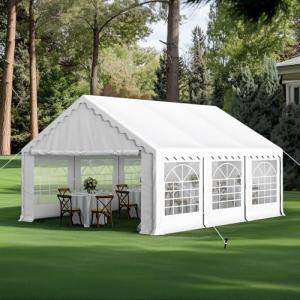
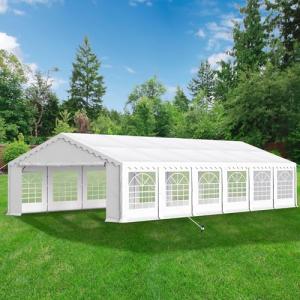
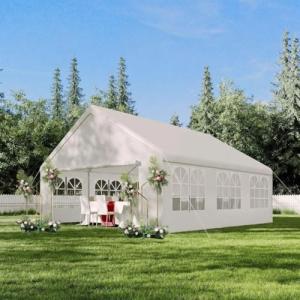
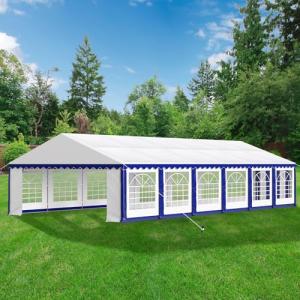
The AMERLIFE 20 x 40 FT Party Tent is built for exactly this scenario. At 800 square feet of covered space, with galvanized steel framing, zinc alloy connectors, rolled sidewalls, and a waterproof PE canopy in a striking blue-and-white color scheme, it sits in a price bracket that makes tent rentals look financially irresponsible. But does it hold up under scrutiny? Let's break it down.
Who Actually Needs an 800-Square-Foot Party Tent?
More people than you'd think. An 800-square-foot tent isn't just for wedding planners and event professionals — though it certainly serves them well. This is the tent for the family that hosts Thanksgiving for forty relatives every year. For the church that runs summer festivals. For the small business owner who needs a temporary covered space for a product launch or community event. For the homeowner whose property backs up to a lake and who wants a seasonal carport-and-entertaining space rolled into one.
The AMERLIFE 20x40 can comfortably seat up to 160 guests in a cocktail-style arrangement, or accommodate roughly 40 standard four-person tables for a seated dinner. That is a serious amount of capacity. To rent a tent of comparable size for a single weekend event, you would typically spend anywhere from $800 to $2,500 depending on your region and the rental company. The AMERLIFE tent pays for itself after one or two uses.
And unlike a rental, you own it. It goes into storage bags and waits in your garage until the next occasion calls.
The Frame: Galvanized Steel and Zinc Alloy Where It Counts
The skeleton of any tent determines its fate. Cheap tents use thin, powder-coated steel that rusts within a season or bends under moderate wind load. The AMERLIFE takes a different approach.
The main frame is constructed from galvanized steel tubes — steel that has been coated with a layer of zinc through a hot-dip process, which creates a barrier against moisture, oxidation, and corrosion. This is the same treatment used on highway guardrails, outdoor fencing, and agricultural equipment. It is not decorative. It is functional protection against the elements.
Where the tubes meet, AMERLIFE uses zinc alloy connectors rather than the stamped steel or plastic fittings you'll find on budget competitors. Zinc alloy is significantly stronger than standard zinc-plated steel connectors, and it resists the kind of fatigue cracking that occurs when a tent is assembled and disassembled repeatedly over years of use. These joints are where most tents eventually fail, so the material choice here is not a small detail — it is arguably the single most important engineering decision in the entire product.
The frame connections use spring-loaded clips, which serve two purposes. First, they speed up assembly considerably. Second, they create a more secure mechanical lock than bolt-and-nut systems, which can loosen over time or require tools that inevitably go missing between events.
The Canopy: High-GSM PE Fabric in Blue and White
The AMERLIFE's canopy is made from high-GSM polyethylene fabric in a blue-and-white pattern. PE fabric is the workhorse material of the outdoor shelter industry — it's waterproof, UV-resistant, tear-resistant, and lightweight enough that it doesn't add excessive load to the frame.
The "high GSM" designation matters. GSM stands for grams per square meter, and it directly correlates with fabric thickness and durability. Budget tents often use canopy material in the 100-120 GSM range, which feels papery and degrades quickly under UV exposure. The AMERLIFE's heavier fabric provides noticeably better rain shedding, longer color retention, and improved resistance to tearing in gusty conditions.
The blue color is fade-resistant, which is worth mentioning because PE fabric in bright colors is notorious for washing out after a season or two of sun exposure. AMERLIFE has treated the blue portions to maintain vibrancy, which keeps the tent looking sharp event after event rather than taking on that sad, sun-bleached look.
UV blocking is another practical benefit. A white tent reflects a good portion of solar radiation, and the combination of the blue-and-white scheme with the PE fabric's inherent UV resistance means the interior temperature stays noticeably cooler than it would under a dark or untreated canopy.
Wind Protection: Ropes, Stakes, and Ground Anchoring
A tent this size catches wind. There's no way around the physics — 800 square feet of fabric is essentially a sail, and if it isn't anchored properly, it will move. AMERLIFE addresses this with a multi-layered anchoring system.
The package includes fabric loops sewn into the canopy and sidewalls for rope tie-downs, heavy-duty ropes for guying the structure to the ground, and four spiral stakes designed to grip soil far more effectively than straight pin stakes. Each column is additionally equipped with two L-shaped ground nails, and steel wires provide supplemental bracing.
The spiral stakes deserve special attention. Traditional straight stakes rely on friction alone to stay in the ground, and in soft or sandy soil, they pull out with surprisingly little force. Spiral stakes screw into the earth like a corkscrew, creating mechanical resistance that is dramatically harder to overcome. If you've ever seen a mobile home anchor, the principle is identical — just scaled down.
AMERLIFE recommends taking protective measures at wind speeds of 25 mph, which is honest and reasonable. No tent in this weight class should be left standing unattended in sustained winds above that threshold. The fact that they state this clearly rather than making inflated wind-resistance claims speaks well of the brand's transparency.
Rolled Sidewalls, PVC Windows, and Roll-Up Doors
The sidewall system is where the AMERLIFE tent distinguishes itself from many competitors in its price range. Rather than simple removable panels that are either on or off, the AMERLIFE features rolled sidewalls that can be adjusted for ventilation without full removal.
This is a meaningful practical advantage. During a summer event, you want airflow. During a rainy evening, you want protection. With removable-only sidewalls, you're making a binary choice. With rolled sidewalls, you can raise them to hip height for a breeze while still maintaining visual enclosure and some weather protection from below.
The tent also incorporates transparent PVC windows in the sidewalls, which allow natural light into the interior without sacrificing weather protection. Anyone who has spent time inside a fully enclosed tent with solid white walls knows how dim and cave-like it can feel. The windows eliminate that problem, creating an interior that feels bright, open, and connected to the surrounding landscape.
Roll-up doors on the tent provide easy entry and exit for guests, and they can be secured open for a grand entrance feel or closed for weather protection. The combination of adjustable sidewalls, windows, and roll-up doors gives event organizers a remarkable degree of control over the tent's atmosphere.
Assembly: Numbered Parts and a 40-60 Minute Setup
One of the most common complaints about large party tents is assembly difficulty. Many products in this size range arrive with unlabeled parts, vague instructions, and a setup process that requires a engineering background and a full afternoon.
AMERLIFE has addressed this with numbered parts and a step-by-step assembly process designed for completion by two to three people in 40 to 60 minutes. The spring-loaded clip connections on the frame eliminate the need for most tools, and the numbered system means you're not standing in a field trying to figure out which of seventeen identical-looking tubes goes where.
Forty to sixty minutes for an 800-square-foot tent is genuinely fast. For context, professional tent rental companies typically budget one to two hours for setup of a tent this size with a crew of four to six. Achieving comparable results with half the people in comparable time is a testament to the design of the connection system.
Versatility Beyond Parties
While the marketing emphasizes weddings and parties, the AMERLIFE 20x40 is far more versatile than a single-use event shelter. Owners regularly use tents of this size as temporary carports during hail season, pool shade structures, mobile dining areas for restaurants expanding their outdoor capacity, craft fair and market vendor shelters, and seasonal storage covers for boats, RVs, or equipment.
The 800-square-foot footprint is large enough to cover two full-size vehicles side by side with room to spare. For anyone who has priced a permanent carport structure, the math on a multi-use tent like this becomes very attractive.
How the AMERLIFE Stacks Up: Competitor Comparison
The 20x40 party tent market has several players. Here is how the AMERLIFE compares to its most direct competitors across the features that matter most.
| Feature | AMERLIFE 20x40 | EROMMY 20x40 | Quictent 20x40 | Aoxun 20x40 |
|---|---|---|---|---|
| Size | 20 x 40 ft (800 sq ft) | 20 x 40 ft (800 sq ft) | 20 x 40 ft (800 sq ft) | 20 x 40 ft (800 sq ft) |
| Frame Material | Galvanized steel | Galvanized steel (powder-coated) | Galvanized steel | Steel (standard) |
| Connector Type | Zinc alloy | Metal connectors (1.65") | Metal connectors | Standard metal |
| Canopy Material | High-GSM PE (blue/white) | 180 GSM PE (white) | PE fabric (white) | PE fabric (white) |
| Sidewall System | Rolled sidewalls | Removable sidewalls | Removable sidewalls | Removable sidewalls with roll-up door |
| Windows | Transparent PVC | PVC windows | PVC windows | PVC windows |
| Roll-Up Doors | Yes | Yes (2) | Yes | Yes |
| Anchoring System | Spiral stakes + L-shaped nails + ropes + steel wires | L-shaped nails + ropes | Stakes + ropes | Stakes + ropes |
| Wind Advisory | 25 mph (stated) | Not specified | Not specified | Not specified |
| Assembly Time | 40-60 min (2-3 people) | Not specified | Not specified | Not specified |
| Assembly System | Numbered parts + spring-loaded clips | Standard assembly | Standard assembly | Standard assembly |
| Color Options | White & Blue | White | White (church style) | White |
| Storage/Transport | Storage bags included | 600D Oxford bags (5) | Storage bags | Storage bags |
| Guest Capacity | Up to 160 (cocktail) | Up to 160 (cocktail) | ~100-150 | ~100-150 |
| Ideal For | Weddings, large parties, carport, multi-use | Weddings, parties, commercial events | Parties, church events, BBQ | Parties, BBQ, camping |
Several things stand out in this comparison. The AMERLIFE's zinc alloy connectors are a genuine material advantage over the standard metal connectors used by most competitors. The rolled sidewall system offers more flexibility than simple removable panels. And the numbered parts with spring-loaded clip assembly is a user-experience detail that competitors have largely ignored.
The EROMMY competes well on included accessories, particularly with its five Oxford carry bags, and it specifies its canopy weight at 180 GSM. The Quictent offers solid basic functionality at a competitive price. The Aoxun is a reasonable budget option but lacks the material refinements of the AMERLIFE.
What Could Be Better
No product is perfect, and an honest review requires honest criticism.
The blue-and-white color scheme, while attractive and distinctive, limits the tent's aesthetic versatility. A pure white tent blends into any event theme. The blue stripe works beautifully for nautical themes, summer parties, and casual gatherings, but it may clash with certain formal wedding color palettes. An all-white option would broaden the appeal considerably.
At 20 x 40 feet, the tent is large. That sounds obvious, but storage is a real consideration. Even broken down and packed into bags, you're looking at a substantial volume of poles, fabric, stakes, and hardware. You need garage or shed space. This is not something that slides under a bed.
The 25 mph wind advisory, while honestly stated, is a real-world limitation. Coastal areas and open plains regularly see sustained winds above that threshold, and event planning in those locations requires additional ballasting beyond what's included in the kit — sandbags, water barrels, or concrete anchors.
The Economics of Owning vs. Renting
Let's talk money, because this is where the ownership decision becomes clear.
A single-weekend rental for a 20x40 tent from a reputable rental company typically runs between $800 and $2,500, depending on geographic location, delivery fees, setup labor, and whether sidewalls are included or billed separately. In many metro areas, you'll also face a damage deposit of $200 to $500.
The AMERLIFE 20x40 is a one-time purchase. If you host just two events per year — say a summer party and a holiday gathering — the tent pays for itself within the first year compared to rental costs. Over five years of use, the savings become dramatic. And that calculation doesn't account for the spontaneous uses that ownership enables: the weekend car wash shelter, the backyard movie screening, the neighborhood block party that comes together on two weeks' notice.
Ownership also eliminates scheduling headaches. Rental tents need to be booked weeks or months in advance, especially during peak wedding season. When you own the tent, it's available whenever you are.
Setup Tips From People Who've Done It
While AMERLIFE's numbered parts and spring-loaded clips simplify the process considerably, a few practical tips make setup even smoother.
First, lay everything out before you start connecting. Spread the parts on the ground, locate the numbered sequences, and mentally walk through the frame assembly before lifting anything vertical. Ten minutes of planning saves thirty minutes of confusion.
Second, assemble the frame completely before draping the canopy. The temptation is to attach fabric as you go, but the canopy is much easier to position over a completed frame than to wrestle onto a partially built one.
Third, stake and anchor before the event, not during. Once guests start arriving, you won't want to be hammering spiral stakes into the ground. Get the tent fully secured the evening before, or at minimum several hours ahead of your event.
Fourth, keep a rubber mallet in your tent kit permanently. Spiral stakes and L-shaped nails go into hard ground much more willingly with a mallet than with a standard hammer. Add a pair of work gloves while you're at it.
Maintenance and Longevity: Protecting Your Investment
A tent is only as durable as the care it receives between uses. The good news is that the AMERLIFE 20x40 doesn't demand much, but what it does demand is non-negotiable.
After every event, allow the canopy and sidewalls to dry completely before packing. PE fabric is waterproof, but storing it wet creates conditions for mildew growth on any dirt or organic material trapped in the folds. If it rained during your event, set the tent up the following morning for a few hours of sun-drying, or wipe down the fabric with a clean towel before storing.
Inspect the zinc alloy connectors and spring-loaded clips periodically for signs of wear or debris buildup. A quick wipe with a dry cloth and occasional application of silicone lubricant will keep the clips snapping smoothly for years.
Store the galvanized steel tubes in a dry location. While galvanization provides excellent corrosion resistance, prolonged contact with standing water or damp concrete can eventually compromise the zinc coating. Elevating the storage bags on a shelf or pallet is a simple precaution that pays dividends.
Finally, check your spiral stakes and L-shaped ground nails before each setup. Bent or damaged anchoring hardware compromises the entire wind-protection system, and replacement stakes are inexpensive insurance against a far more costly tent failure.
With basic care, a galvanized steel tent with zinc alloy connectors should provide reliable service for eight to twelve years of regular seasonal use — a lifespan that makes the per-event cost almost negligible.
Check the latest price and availability of the AMERLIFE 20x40 Party Tent on Amazon →
This post contains affiliate links. Purchasing through these links supports our editorial work at no additional cost to you. All opinions and analysis are our own.